
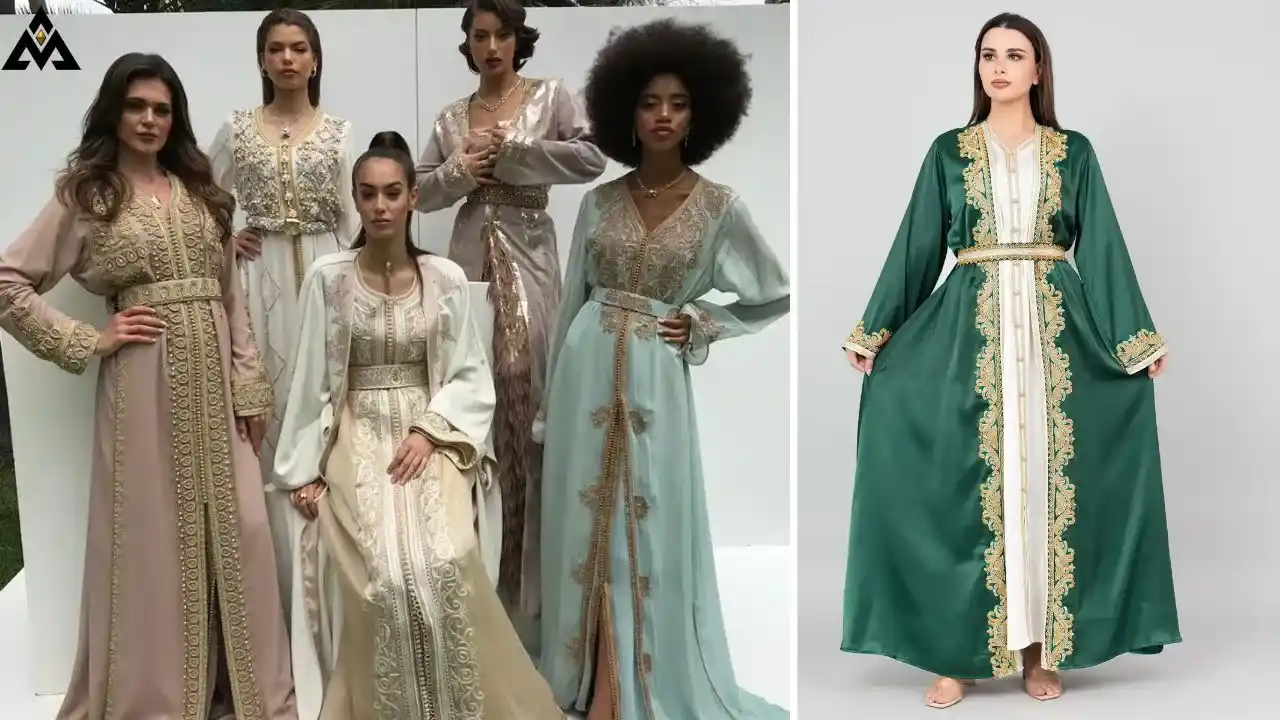
A Moroccan Dress is more than fabric stitched into shape. It represents identity, artistry, and centuries of cultural refinement rooted in Morocco. Known globally for its elegance and detail, this garment blends North African fashion heritage, modest luxury, and intricate artisan craftsmanship.
Today, women wear a Moroccan Dress at weddings, religious celebrations, cultural festivals, and high-end events. Designers reinterpret it for modern runways, yet its soul remains traditional. This guide explains what makes it unique, why it matters culturally, and how to choose or style one wisely without falling into trends or imitation pieces.
What is a Moroccan Dress? (History, Origins & Cultural Meaning)
A Moroccan Dress is a structured, traditionally tailored garment that evolved over centuries under the influence of Andalusian, Berber, and Arab cultures. Unlike generic kaftans found worldwide, it reflects regional artistry and precise tailoring methods passed down through generations. In historical cities such as Fez and imperial courts, it symbolized refinement and status.
Recognized as part of Morocco’s intangible heritage and aligned with UNESCO’s preservation principles, this garment remains a living tradition. Each Dress often features silk brocade, hand-sewn detailing, and a carefully crafted silhouette. It is not just a loose robe; it is a heritage garment crafted for ceremonial dignity.
Types of Moroccan Dress (Caftan, Takchita & Regional Variations)
Moroccan fashion reflects centuries of artistry, structure, and cultural pride. Each Moroccan Dress type carries its own identity, construction style, and ceremonial purpose.
1. Moroccan Caftan
The Moroccan caftan is a classic single-layer gown known for its elegant drape and refined tailoring. It is usually worn at formal dinners, family gatherings, and cultural celebrations where modest luxury is preferred. Most designs feature detailed embroidery on the neckline, sleeves, and front panel to create a balanced, royal look. It can be styled with or without a belt, depending on the occasion and fabric weight.
2. Takchita Dress
The takchita dress is a two-layer outfit consisting of an inner dress and a heavily decorated outer robe. This layered structure gives it a richer, more ceremonial appearance, which is why it is popular for weddings and high-status events. It is traditionally paired with a decorative belt to define the waist and improve the silhouette. Because of the extra detailing and layers, it often feels more luxurious than a standard caftan.
3. Moroccan Bridal Caftan
A Moroccan bridal caftan is specially designed for wedding ceremonies and bridal entrances. It is typically made from premium fabrics such as velvet, silk, or brocade, with heavier handwork, beadwork, and gold-thread embroidery. Many bridal styles use symbolic colors like gold, ivory, red, or emerald to reflect celebration and heritage. Brides may wear multiple outfits, and the bridal caftan is often the most detailed and statement-making look.
4. Regional Moroccan Dress (Fez & Marrakech Styles)
Regional styles are a major part of Moroccan fashion identity, and each city brings its own signature details. Fez-inspired designs often focus on fine, traditional embroidery patterns, symmetrical motifs, and classic color palettes. Marrakech styles are usually bolder, with brighter tones, stronger contrasts, and modern decorative touches. These differences help you choose a look that matches your taste while still staying culturally authentic.
5. Modern Moroccan Dress
A modern Moroccan dress blends traditional Moroccan structure with contemporary fashion influences. Designers often use lighter fabrics, softer embroidery, and cleaner cuts to make the outfit easier to wear for parties and international events. Many modern styles include pastel shades, minimalist beadwork, or simplified belts for a fresh look. It’s the best choice for someone who wants Moroccan elegance with a modern, wearable feel.
Read More About: What Is a Kaftan Dress?
Moroccan Caftan vs Takchita – What’s the Real Difference?
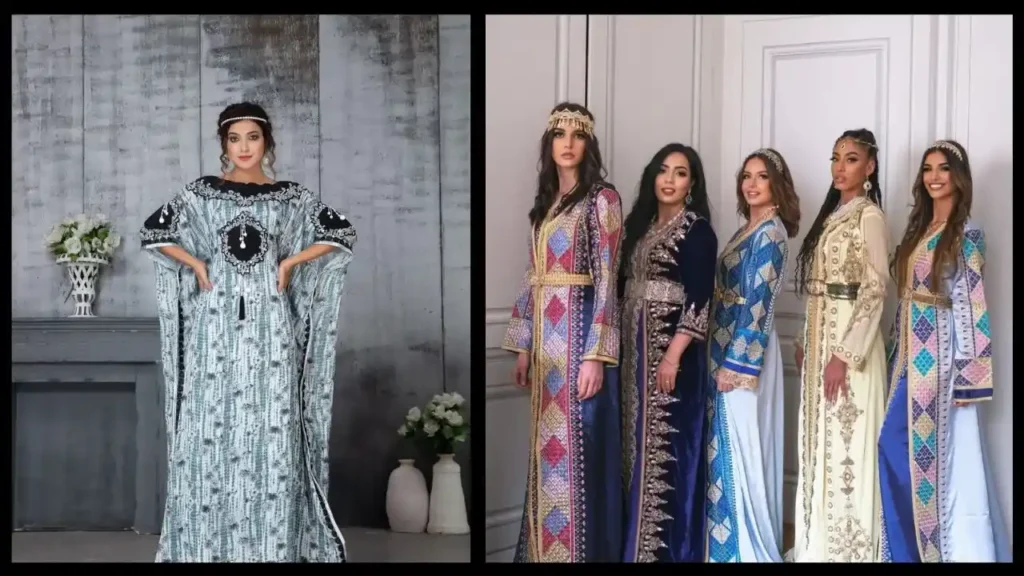
Understanding the difference between styles helps you choose the right Moroccan Dress for your occasion. The Moroccan silk caftan uses a single-piece structure with embroidery concentrated along the neckline and sleeves. In contrast, the handmade Moroccan takchita uses dual-layer construction, offering depth and dimension. Below is a simplified comparison:
| Feature | Moroccan Caftan | Takchita |
|---|---|---|
| Structure | Single-layer gown with a clean, flowing silhouette | Two-layer outfit (inner dress + outer embellished layer) |
| Design Detail | Embroidery mainly on neckline, sleeves, and front panel | Heavy embroidery on outer layer with more dramatic detailing |
| Belt (Mdamma) | Optional belt for shaping the waist | Essential decorative belt to secure and define layers |
| Occasion Use | Formal dinners, engagements, cultural events | Weddings, bridal ceremonies, grand celebrations |
| Overall Look | Elegant, refined, and lighter in appearance | Rich, layered, and more ceremonial in style |
In fashion hubs like Casablanca, modern designers adapt both forms into contemporary evening wear. Choose a luxury Moroccan caftan for formal dinners and a layered takchita for traditional ceremonies.
Modern Moroccan Dress Trends 2026 (Runway to Real Life)
Fashion evolves, and the Moroccan Dress continues to adapt without losing its identity. At Moroccan Fashion Week, designers showcased softer silhouettes, pastel luxury tones, and lighter embroidery to appeal to a global audience.
A modern dress often integrates contemporary embroidery patterns while respecting classic structure. Designer Moroccan caftan collections now experiment with minimalist beadwork and breathable fabrics to suit international markets.
Pastel shades, metallic belts, and lighter fabrics dominate 2026 trends. The shift reflects the global modest fashion movement, in which consumers seek cultural authenticity alongside modern comfort.
Fabrics, Embroidery & Craftsmanship Behind Moroccan Dress
The value of a Moroccan Dress lies in its craftsmanship. Traditional fabrics include velvet, satin, chiffon, and silk blends. A Moroccan embroidered dress may require weeks of meticulous handwork.
Authentic pieces feature gold-thread embroidery, subtle beadwork detailing, and precise artisanal textile weaving. Machine stitching lacks depth and uniform spacing. Examine the inside seam: handmade garments often show careful finishing rather than industrial overlocking.
A high-quality Moroccan formal dress feels balanced in weight. A Moroccan silk caftan should drape naturally without stiffness. Embroidery should appear integrated into the fabric rather than superficially attached.
Moroccan Dress for Weddings & Special Occasions
Moroccan wedding fashion is deeply connected to tradition, family pride, and ceremonial beauty. A Moroccan Dress for weddings and special occasions is chosen for its rich craftsmanship, symbolic colors, and statement-making elegance.
- Bridal entrance centerpiece: The Moroccan Dress is often the main bridal look, designed to stand out with heavy embroidery and premium fabrics.
- Multiple outfit changes: Many brides wear more than one Dress during the event to represent different ceremonial moments and styles.
- Luxury fabrics for grandeur: Velvet, silk, satin, and brocade are common because they hold structure well and look regal under lights.
- Symbolic colors and motifs: Gold, ivory, red, and emerald shades are selected for cultural meaning, celebration, and heritage expression.
- Heavier handwork for weddings: Moroccan Wedding Dress designs typically feature dense beadwork, gold-thread embroidery, and detailed finishing.
- Perfect for non-bridal occasions too: A Dress is also popular for engagements, Eid gatherings, family functions, and formal evening celebrations.
How to Choose the Right Moroccan Dress (Buying Guide)
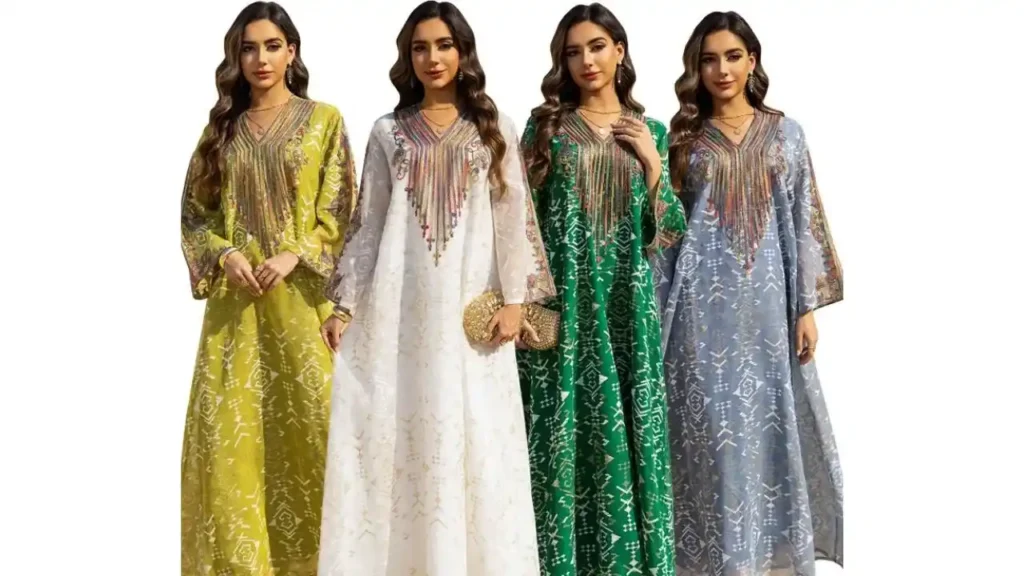
Choosing the right Moroccan Dress requires more than selecting a beautiful design. You need to consider body shape, fabric, occasion, and budget to make a confident and practical decision.
1. Choose According to Body Shape
Select a Moroccan Dress that complements your natural proportions. Petite frames look better in lighter fabrics with minimal layering, while taller figures can carry heavier embroidery and layered styles. A well-defined waistline helps create a balanced silhouette. Avoid overly bulky designs for a more refined appearance.
2. Select Fabric Based on Season
Fabric choice directly affects comfort and overall look. Velvet and brocade are ideal for winter weddings or evening events, as they offer warmth and structure. For summer or daytime occasions, opt for chiffon, satin, or lightweight silk blends. A breathable Dress ensures elegance without discomfort.
3. Match the Dress to the Occasion
Formal weddings require heavier embroidery and richer colors, while family gatherings or engagement dinners allow for simpler styles. A layered takchita works best for grand ceremonies, whereas a classic caftan suits elegant but moderate events. Always align the Moroccan Dress style with the event’s formality level.
4. Set a Realistic Budget
The price of a Moroccan Dress depends largely on embroidery density, fabric quality, and whether it is handmade or machine-stitched. Handcrafted pieces cost more but offer durability and authenticity. Decide your spending limit early to avoid overspending on unnecessary embellishments.
5. Check Craftsmanship & Authenticity
Before buying, inspect stitching quality, embroidery neatness, and belt finishing. Authentic Dress designs show clean interior seams and balanced patterns. If purchasing online, request close-up photos and confirm material details. Quality craftsmanship ensures long-term value and elegance.
Where to Buy Authentic Moroccan Dress
Authenticity matters. Designer Moroccan caftan boutiques often provide detailed information about their craftsmanship. Handmade Moroccan takchita pieces usually include custom measurement services. If searching for Moroccan dress prices in Pakistan or international markets, verify the embroidery quality and ask about the fabric origin.
Authentic sellers discuss materials openly. Look for balanced embroidery symmetry and reinforced belt stitching. Online buying is safe when sellers provide fabric descriptions, sizing charts, and production details.
Moroccan Dress Styling Guide (Accessories, Mdamma Belt & Footwear)
Styling a Moroccan Dress is all about balance—let the craftsmanship stay the hero while your accessories support the look. When you choose the right belt, jewelry, and footwear, the outfit looks polished, traditional, and effortlessly luxurious.
1. Mdamma Belt Styling for a Perfect Waistline
The Mdamma belt is the signature finishing touch that defines the Moroccan Dress silhouette. Choose a metallic belt for formal events and a softer embroidered belt for daytime wear. Make sure the belt sits at the natural waist to avoid a boxy look. A well-fitted belt also keeps layered styles neat and structured.
2. Jewelry Pairing That Complements the Embroidery
Pick jewelry that matches the embroidery tone—gold with gold thread work, silver with cooler beadwork. If the neckline is heavily decorated, keep earrings simple and skip a necklace. If the neckline is clean, you can add a statement necklace for impact. The goal is to enhance the Moroccan Dress, not compete with it.
3. Handbag and Clutch Choices for Formal Balance
A structured clutch works best with a Moroccan Dress because it matches the outfit’s refined nature. Choose a clutch in a neutral tone or a metallic shade that echoes the belt and embroidery. Avoid oversized bags for weddings or ceremonies. Keep the bag elegant, compact, and visually aligned with the outfit.
4. Footwear Selection for Traditional and Modern Looks
Heels elevate the posture and make the Moroccan Dress fall more gracefully. For traditional events, opt for classic Moroccan-inspired slippers or modest heels with a pointed toe. For modern styling, minimalist heels or elegant sandals can work well. Always prioritize comfort if you expect long ceremonies or multiple outfit changes.
5. Hair and Makeup Styling to Match the Occasion
For weddings, soft glam makeup and a sleek hairstyle pair well with a Moroccan Dress because they highlight the outfit’s richness. For casual gatherings, natural makeup and loose waves keep the look approachable. If your dress is bold, keep your makeup balanced. If your dress is subtle, you can add more glamour through makeup and hair.
Final Thoughts
A Moroccan Dress embodies history, craftsmanship, and evolving elegance. It bridges centuries of cultural refinement with contemporary fashion relevance. Whether you seek a wedding ensemble, a formal gown, or a heritage investment piece, understanding structure, fabric, and authenticity ensures confident choices. This guide aims to provide depth, clarity, and practical knowledge so you can appreciate and select a Dress with insight rather than impulse.
FAQ’s
Is Moroccan Dress suitable for non-Moroccan women?
Yes, a Moroccan Dress can be worn by anyone who appreciates cultural fashion, as long as it is styled respectfully. Many international women choose it for weddings and formal events because of its modest elegance and structured design.
How long does it take to make a handmade Moroccan Dress?
A handmade Moroccan Dress can take anywhere from two weeks to several months, depending on embroidery complexity and fabric choice. Bridal pieces with dense hand embroidery require significantly more time.
What measurements are needed for a custom Moroccan Dress?
For a tailored Dress, you typically need bust, waist, hip, shoulder width, sleeve length, and full dress length measurements. Accurate measurements ensure proper draping and a defined waist.
How should a Moroccan Dress be stored after an event?
A Moroccan Dress should be stored in a breathable garment bag and kept away from humidity. Heavy embroidered pieces should be hung carefully or folded with tissue paper to protect beadwork and threadwork.
Can a Moroccan Dress be altered later?
Yes, most Dress designs can be altered, especially at the waist and sleeves. However, heavily embroidered areas may limit major adjustments, so proper sizing at purchase is important.