
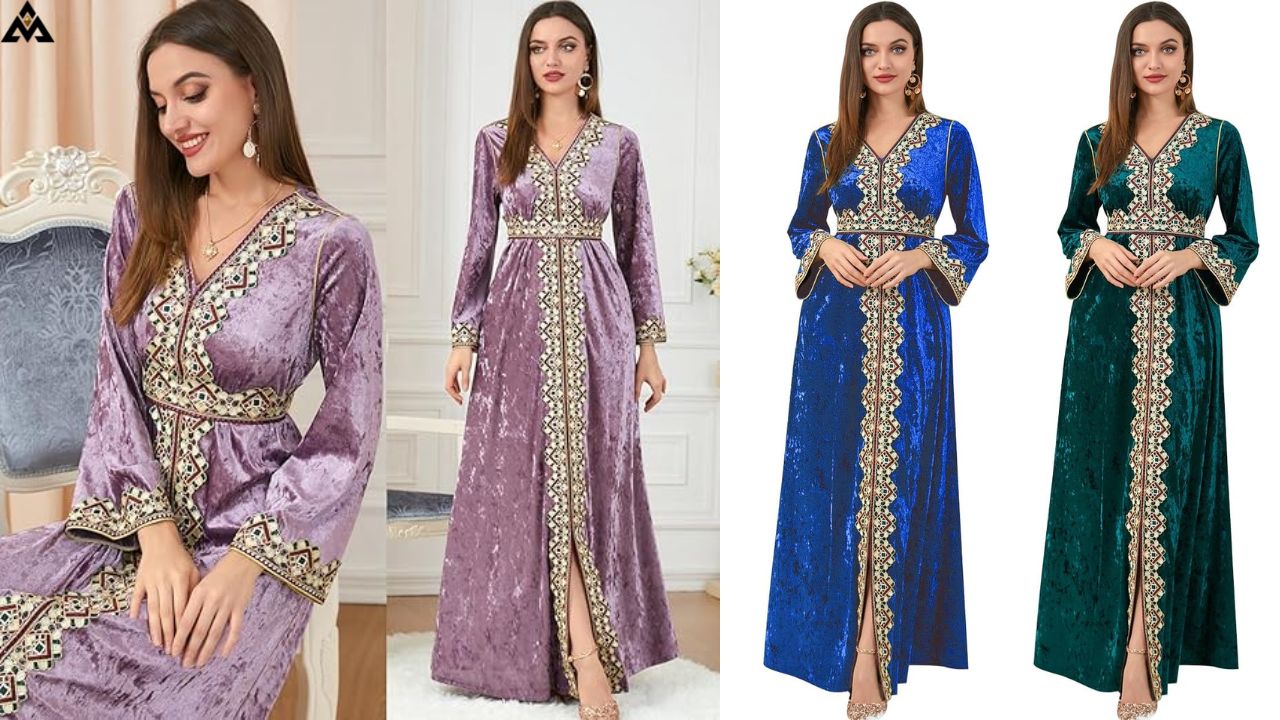
Turkish dresses are widely recognized for blending cultural elegance with modern women’s fashion, creating a look that feels both refined and wearable. This guide is created to help readers clearly understand what Turkish dresses are, why they have gained global popularity, and how their styles, fabrics, and usage fit into contemporary wardrobes. Rather than focusing on trends or sales language, this article offers a complete fashion guide that explains design philosophy, fabric quality, and styling relevance in a clear, people-first manner.
What Are Turkish Dresses and Why Are They Popular Worldwide
Turkish dresses are women’s garments influenced by Turkey’s cultural and fashion traditions, shaped by both Eastern and European aesthetics. These dresses are known for balanced silhouettes, modest structure, and refined detailing that feels elegant without being excessive. Over time, Turkish dress styles have evolved to suit modern lifestyles while retaining cultural identity.
The international popularity of Turkish dresses comes from their versatility and universal appeal. They suit different age groups, body types, and occasions, which makes them adaptable across regions. Their global fashion appeal lies in a blend of simplicity and sophistication, enabling them to transition easily from local wear to international fashion markets.
Latest Turkish Dresses Styles for Modern Women
Turkish dresses for modern women reflect a balance between contemporary fashion needs and timeless elegance. These styles are designed for women who value comfort, modesty, and refined aesthetics in their everyday and occasion wear.
1. Minimalist Silhouettes with Elegant Structure
Modern dresses often feature clean, minimalist silhouettes that focus on structure rather than heavy decoration. These designs allow ease of movement while maintaining a polished appearance. The simplicity makes them suitable for daily wear as well as semi-formal settings. Tailored cuts add sophistication without appearing rigid. This style appeals to women seeking effortless elegance.
2. Modest Designs Adapted for Modern Lifestyles
Many dresses are created with modest proportions that align with contemporary lifestyles. Longer lengths and relaxed fits are paired with modern tailoring techniques. This combination ensures comfort throughout the day. The designs suit work, social gatherings, and casual outings. Modesty is presented as a style choice, not a limitation.
3. Evening Styles with Refined Details
Turkish evening dresses focus on subtle refinement rather than bold statements. Delicate textures, controlled embellishments, and balanced colors define these styles. They are ideal for formal dinners, events, and celebrations. The detailing enhances the garment without overwhelming it. This restraint reflects mature fashion sensibility.
4. Everyday Dresses with Practical Elegance
For daily wear, modern Turkish dresses prioritize practicality alongside style. Breathable fabrics and functional cuts make them comfortable for long hours. The designs remain visually appealing without requiring heavy styling. This practicality allows women to feel confident and put-together effortlessly. Such dresses fit seamlessly into modern routines.
5. Versatile Designs for Different Age Groups
One strength of modern Turkish dresses is their versatility across age groups. The designs avoid extremes, making them suitable for both younger and mature women. Neutral palettes and balanced cuts support broad appeal. This inclusivity adds to their popularity. It allows dresses to remain relevant across generations.
Fabrics Used in Turkish Dresses and Their Quality
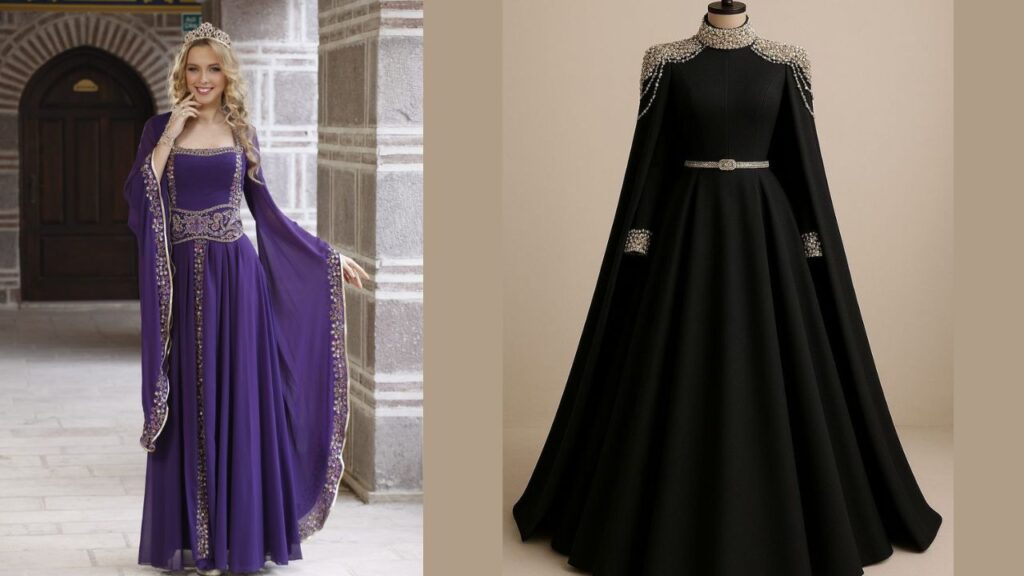
The quality of Turkish dresses is strongly influenced by the fabrics used in their construction. Thoughtful fabric selection ensures comfort, durability, and an elegant appearance suitable for both everyday and formal wear.
1. Breathable Cotton Blends for Everyday Comfort
Cotton blends are widely used in Turkish dresses due to their breathability and softness. These fabrics allow air circulation, making them suitable for long wear. They provide comfort without compromising structure. Cotton blends are often chosen for daily and casual styles. Their ease of maintenance adds practical value.
2. Viscose and Rayon for Smooth Draping
Viscose and rayon fabrics are popular for their smooth texture and fluid drape. These materials help Turkish dresses fall naturally on the body. They enhance movement while maintaining shape. The fabrics feel lightweight and comfortable. This makes them ideal for elegant yet wearable designs.
3. Satin and Silk Finishes for Formal Styles
Satin and silk-like finishes are commonly used in formal dresses. These fabrics add a refined sheen that elevates the overall look. They are often selected for evening and special occasion wear. The smooth surface enhances the dress’s elegance. Such fabrics contribute to a polished appearance.
4. Woven Fabrics for Structure and Durability
Woven fabrics provide structure and durability in Turkish dresses. They help maintain clean lines and tailored shapes. These materials are resistant to stretching and wear over time. Woven fabrics support long-term use. Their strength makes them suitable for structured designs.
5. Quality Tailoring to Enhance Fabric Performance
Quality tailoring plays an essential role in maximizing fabric performance. Skilled construction ensures proper fit and balanced draping. It prevents fabric distortion and extends garment lifespan. Good tailoring enhances comfort and appearance. This attention to detail defines the overall quality of Turkish dresses.
Read About: Moroccan Dress – Complete Style Guide, Trends & Buying Tips (2026)
What Is a Kaftan? Meaning, History & Modern Fashion Guide
Traditional vs Modern Turkish Dresses Explained
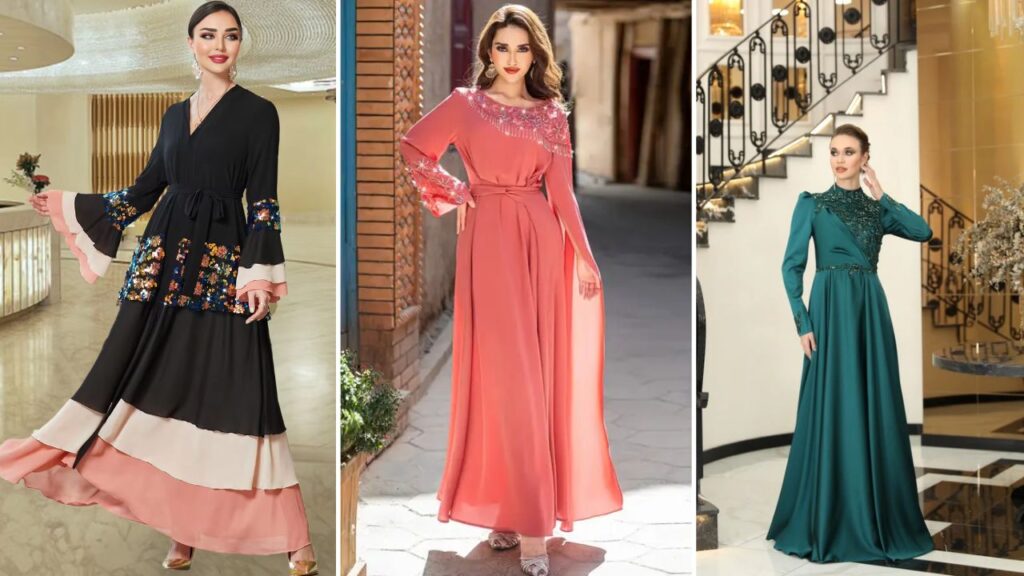
Traditional and modern Turkish dresses reflect two different expressions of the same cultural foundation. Understanding their differences helps readers choose styles that match their lifestyle, occasion, and personal fashion preferences.
| Aspect | Traditional Turkish Dresses | Modern Turkish Dresses |
|---|---|---|
| Design Inspiration | Rooted in cultural heritage and long-standing customs | Influenced by contemporary fashion and urban lifestyles |
| Silhouette & Fit | Looser fits with flowing shapes and longer lengths | More structured cuts with cleaner, tailored lines |
| Fabric Choices | Heavier or richly textured fabrics with classic appeal | Lighter, breathable fabrics designed for comfort |
| Detailing Style | Decorative patterns and traditional craftsmanship | Minimal detailing with refined, modern finishes |
| Occasion Use | Worn mainly for cultural, family, or traditional events | Suitable for everyday wear, work, and formal occasions |
| Overall Appeal | Emphasizes tradition, modesty, and cultural identity | Focuses on versatility, practicality, and modern elegance |
How to Style Turkish Dresses for Everyday and Formal Wear
Styling Turkish dresses well is all about matching the outfit to your day and keeping the look balanced. With a few smart choices, you can make the same dress feel effortless for daily wear or elevated for formal occasions.
- Keep everyday styling simple: Pair with minimal jewelry and comfortable footwear to keep the outfit practical and polished.
- Use light layering for daily routines: Add a neutral cardigan, long coat, or modest outer layer to stay comfortable and coordinated.
- Upgrade for formal events with refined accessories: Choose a structured handbag, elegant heels, and one statement piece (like earrings) to elevate the look.
- Match the fabric to the occasion: Lightweight breathable fabrics work best for daily wear, while satin or textured materials feel more formal and dressy.
- Focus on fit and drape: Ensure the dress sits well at the shoulders and flows cleanly—good drape instantly improves the overall appearance.
- Choose colors that suit the setting: Soft neutrals and muted tones work for everyday, while deeper shades or subtle shine suit evening and formal occasions.
Cultural Influence Behind Turkish Dress Designs
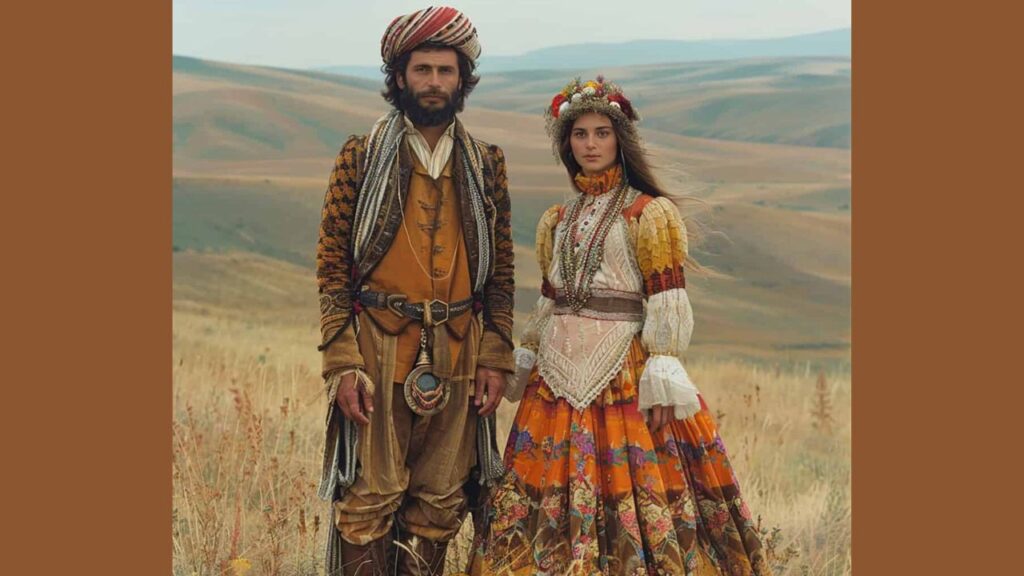
The design language of Turkish dresses is shaped by cultural fashion influences unique to Turkey. Regional design elements, craftsmanship traditions, and aesthetic restraint all contribute to their identity. These influences are expressed subtly, avoiding a costume-like appearance.
Cultural relevance increases the long-term value of dresses. Rather than copying heritage designs, modern interpretations preserve meaning while remaining wearable. This balance of culture and practicality is one reason Turkish dresses continue to attract global interest.
Read about Jewllery: Why Dior Necklaces Are So Expensive
Is the Chanel Necklace Real Gold?
Conclusion
Turkish dresses offer a thoughtful combination of cultural identity, fabric quality, and modern design that appeals to a wide range of women. From everyday wear to formal occasions, they provide versatility without compromising elegance. By understanding their styles, fabrics, and cultural context, readers can make informed fashion choices that feel authentic and long-lasting. This fashion guide aims to offer clarity, confidence, and practical insight for anyone exploring dresses.
FAQ’s
What makes Turkish dresses different from other styles?
Turkish dresses blend modest design with modern tailoring and refined fabrics. They balance cultural elegance with everyday wearability.
Are Turkish dresses suitable for everyday wear?
Yes, many dresses are designed for comfort and daily routines. Light fabrics and practical cuts make them easy to wear all day.
Can Turkish dresses be worn for formal occasions?
Absolutely, formal dresses use premium fabrics and elegant details. They are suitable for events, gatherings, and evening wear.
What fabrics are commonly used in Turkish dresses?
Common fabrics include cotton blends, viscose, satin, and woven materials. These fabrics offer comfort, durability, and a polished look.
Who should choose Turkish dresses?
Dresses are ideal for women who prefer modest yet stylish clothing. They suit those who value quality, versatility, and timeless fashion.