
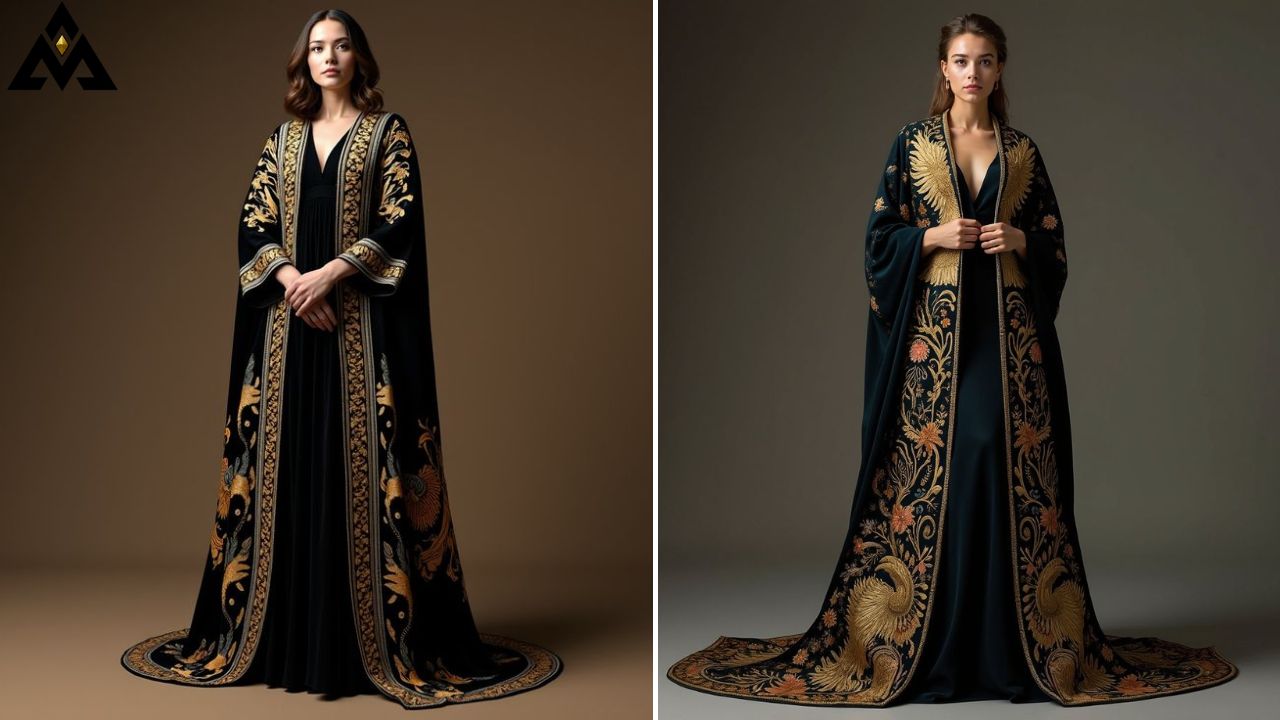
If you’ve ever loved the flowy elegance of an Arabic kaftan but felt confused about fabrics, fit, and which style suits which event, this guide is for you. A great Arabic kaftan should feel comfortable, look premium, and match your occasion without you overthinking every detail. The best part? Once you understand a few basics, choosing an Arabic kaftan becomes easy, even if you’re buying online.
This style guide covers trending designs, how to choose the right size, what makes a kaftan look “expensive,” and how to style it for women, girls, and kids. You’ll also see how modern Middle Eastern wear blends tradition with updated silhouettes—so your Arabic kaftan looks timeless, not outdated.
What Is an Arabic Kaftan and Why It’s Trending
An Arabic kaftan is a loose, elegant outerwear or dress-style garment known for its modest silhouette and graceful drape. It’s often worn for gatherings, festive nights, and formal occasions because it gives coverage without sacrificing style. The reason an Arabic kaftan keeps trending is simple: it balances comfort with luxury, and it works across ages and body types.
People also confuse it with an abaya, so here’s the clean difference. A kaftan is usually more “dress-like” with decorative design, while an abaya is often a simpler outer layer. That’s why you’ll see Arabic kaftan abaya searches rising—buyers want modest elegance but also want embellishment, structure, and a more styled look. In Dubai and across the Middle East, the kaftan continues to evolve with modern cuts and premium finishes.
Arabic Kaftan for Women: Styles That Flatter Every Body Type
A good Arabic kaftan for women isn’t just modest—it also balances your shape and looks polished. Below are five simple style directions to help you choose the right one without guessing.
1. A-Line Kaftan: Balanced and Flattering
An A-line Arabic kaftan for women falls smoothly from the waist and skims the body. It softens the hip area and gives a clean, elegant silhouette. This style works well for everyday wear and semi-formal occasions. Crepe and chiffon fabrics create the best natural drape. Light embroidery adds a premium finish without looking heavy.
2. Belted Waist Kaftan: Shape Without Feeling Tight
A belted Arabic kaftan for women gives definition while staying comfortable. You can tie it loose or medium to keep the fit relaxed. It looks more structured in photos and feels instantly dressier. Satin and velvet belted styles are perfect for formal events. Keep accessories minimal so the waist detail stays the focus.
3. Open-Front Kaftan: A Layered Look That Works
An open-front kaftan is worn over an inner slip or maxi dress. It gives you better control over coverage and sizing. The front opening creates a long line, making the garment look taller and slimmer. Embroidered borders or beaded edges stand out beautifully in this style. It’s a versatile choice for dinners, gatherings, and occasions.
4. Sleeve Styles: The Detail That Elevates the Look
Sleeve design can instantly upgrade an Arabic kaftan for women. Wide sleeves feel luxurious, while cuff sleeves look modern and neat. For daily wear, medium sleeves are the most practical option. Thread embroidery or stonework on sleeves looks rich and high-end. Always check the lining and seam finishing for comfort.
5. Fabric Choice: Comfort Meets a Premium Drape
Fabric is the biggest factor in how an Arabic kaftan for women looks and feels. Chiffon is airy, crepe is structured, and satin gives a glossy finish. Velvet is ideal for winter weddings and formal nights. A breathable lining makes long wear much more comfortable. Good fabric turns a basic kaftan into a luxury-looking outfit.
Arabic Kaftan Dress: Design Types You’ll See Most
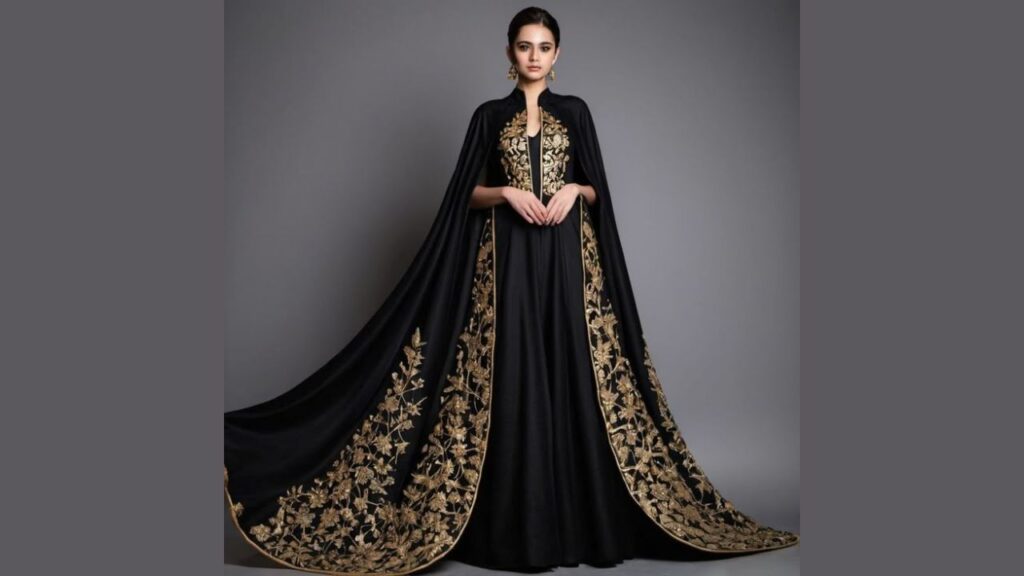
An Arabic kaftan dress comes in a few signature designs, each suited to a different vibe and occasion. Here are the most common types you’ll see, explained simply and buyer-friendly.
Maxi-Length Kaftan Dress: The Classic Elegant Option
A maxi Arabic kaftan dress is the most popular because it looks instantly formal. The long length creates a graceful flow and feels modest without extra layering. It works best in crepe, chiffon, or satin for a smooth, premium drape. A modest neckline keeps the look clean and wearable for many settings. Add a simple kaftan belt if you want shape without changing comfort.
Open-Front Kaftan Dress: Layering Made Stylish
An open-front Arabic kaftan dress is designed to be worn over an inner slip. This gives you better control over fit, coverage, and overall styling. It’s ideal when you want a “luxury layered” look without heavy tailoring. Embroidered borders, zari details, or lace edges stand out beautifully here. This style is perfect for dinners, gatherings, and festive evenings.
Pullover Kaftan Dress: Simple, Fast, and Comfortable
A pullover Arabic kaftan dress is worn like a regular dress with no front opening. It’s easy to wear, making it a strong choice for casual or semi-formal use. The best versions have clean stitching and a smooth fall from the shoulders. Light thread embroidery or minimal sequins keep it stylish without overload. If comfort matters most, this is often the safest, low-effort pick.
Embellished Kaftan Dress: Statement Work That Looks Luxurious
This Arabic kaftan dress style is defined by heavy design work and premium finishing. You’ll often see sequins, stonework, zari, and detailed thread embroidery. It’s made for occasions where you want the outfit to do the talking. Balance matters—too much work can look messy instead of rich. A structured belt and neat lining help the dress feel expensive, not bulky.
Minimalist Kaftan Dress: Clean Lines, Modern Look
A minimalist Arabic kaftan dress focuses on shape, fabric quality, and neat details. Instead of heavy embellishment, it relies on satin, crepe, or smooth chiffon drape. You’ll see subtle lace trims, clean hems, and refined sleeve cuts. This style is easy to dress up with jewellery and heels when needed. If you like modern modest fashion, this is the most versatile design type.
Arabic Kaftan Dress for Girls: Cute, Comfortable, Occasion-Ready
An Arabic kaftan dress for girls should prioritize comfort first, then style. Look for soft, breathable fabric that doesn’t itch, especially around the neckline and sleeves. Lightweight cotton is excellent for warm weather, while soft crepe works well for a slightly formal look without being heavyweight. A good Arabic kaftan dress for girls also allows easy movement—kids should be able to sit, walk, and play comfortably.
Keep embellishment age-appropriate. Satin ribbon, simple embroidery, and pastel colours look beautiful without feeling “too heavy.” If you’re shopping for an event, arabic kaftan for girls with neat stitching and a light lining feel more comfortable and look more polished in photos.
Arabic Kaftan for Kids: How to Pick the Right Fit and Fabric
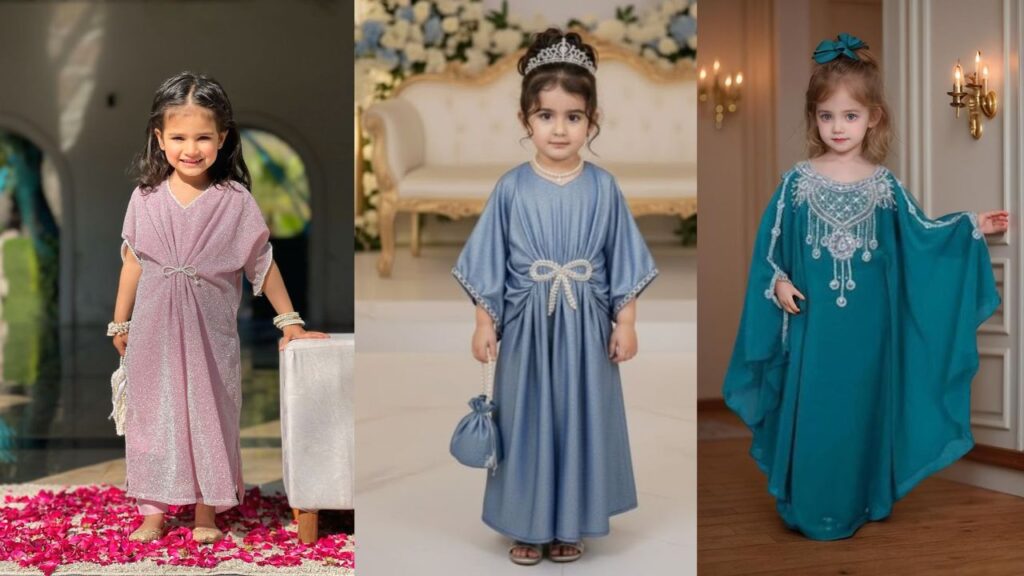
An Arabic kaftan for kids needs smart fabric choices and safer finishing. Avoid scratchy trims, sharp stones, or rough inner seams. Instead, choose breathable lining, durable stitching, and washable materials that can handle real-life wear. Cotton and linen are great for daily comfort, while soft crepe gives a dressier look with minimal fuss.
Fit should be loose, but not oversized to the point of tripping. Elastic waist slips and gentle shaping around the shoulders can help the garment sit correctly. If you’re choosing sizes online, an Arabic kaftan for kids should be picked using length and shoulder fit first—age labels alone often mislead.
Arabic Kaftan Wedding Looks: Luxury Details That Matter
An Arabic kaftan wedding look is all about finishing. The cut can be simple, but the detailing must feel intentional and high-end. For a bridal or formal vibe, velvet kaftans and satin-based designs instantly look richer. Heavy embroidery, statement sleeves, and premium finishing—like clean lining and structured hems—separate “occasion wear” from everyday kaftans.
If you want a traditional luxury feel, Moroccan-inspired kaftans with crystal embellishment and gold embroidery photograph beautifully. A bridal belt can define the waist and add structure without making the outfit feel tight. The best Arabic kaftan wedding choices don’t just look expensive—they also sit well on the body and remain comfortable for long events.
Read More: Can You Wear a Tennis Necklace Casually in the UAE?
What’s a Choker Necklace? Meaning, Fit & UAE Style Guide
Can I Resize My Pandora Ring? What To Know Before You Try (2026)
Arabic Kaftan Dress Dubai: What Makes Dubai Styles Different
An Arabic kaftan dress, Dubai trend usually leans into modern luxury: sleek cuts, premium fabrics, and designer-inspired finishing. Dubai styles often balance modest wear with a fashion-forward edge—think cleaner lines, elevated placement of embellishments, and more intentional silhouette shaping. You’ll commonly see luxury modest wear built around satin, crepe, and soft, subtle shimmer fabrics that catch light.
Dubai boutiques often release Eid collections and Ramadan edits that feature modern colours, refined handwork, and Gulf fashion influences. What makes an Arabic kaftan dress in Dubai stand out is restraint: less clutter, more polish. Many shoppers also compare these designs to Arabic kaftan abaya looks because both can be layered and styled elegantly, but Dubai kaftans often feel more “event-ready.”
Arabic Kaftan Abaya: When to Choose Kaftan vs Abaya
The Arabic kaftan abaya choice depends on what you need: styling or simplicity. If you want a garment that feels like a complete outfit, kaftans are usually better because they come with built-in design, embellishment, and presence. If you want a clean outer layer for daily wear, the abaya is often the practical option.
For daily wear, many people prefer an abaya with light layering and modest coverage. On occasions, a kaftan gives more visual richness and feels more dressed-up. You can also combine them: a kaftan can be layered with a sheila/hijab and an inner dress for a complete modest look. In short, Arabic kaftan abaya comparisons make sense because both sit in the same modest fashion space, but they serve different styling goals.
Buying Guide: Fabric, Size, Stitching, and Quality Checklist
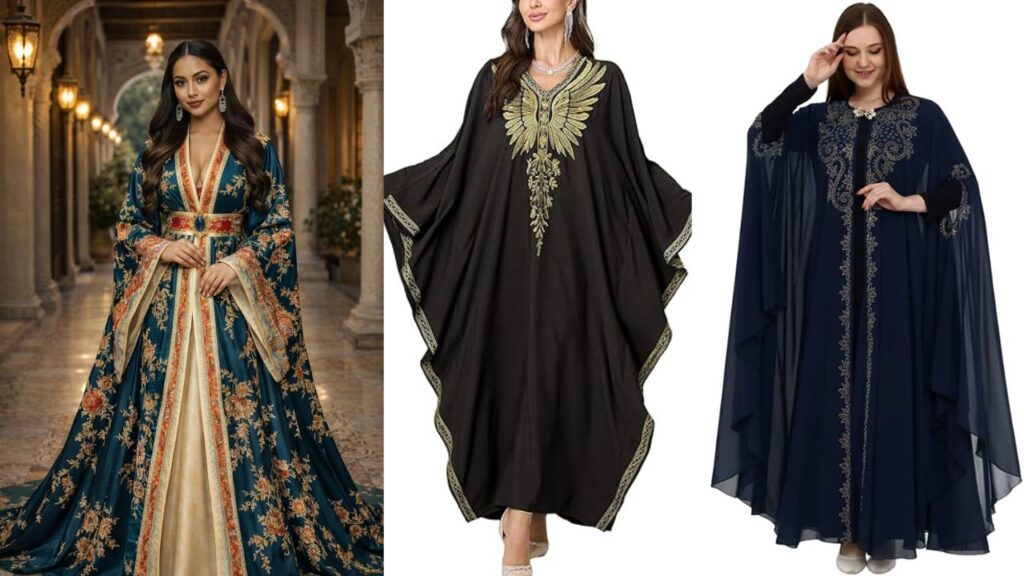
Buying an Arabic kaftan online becomes easy when you follow a simple quality checklist. First, check fabric: chiffon and crepe are light and elegant; satin looks formal but needs good finishing; velvet looks luxurious but is heavier and warmer. Next, confirm sizing with measurements, not guesses. Look for a size chart, shoulder drop details, and length measurement so the garment doesn’t end up too short or too long.
Now check the construction. Lining quality matters, especially for embellished pieces. Seam finishing should be neat, zippers (if any) should be smooth, and stitching should not look loose or uneven. Handwork vs machine work also changes the final look—handwork tends to feel more premium when it’s clean and consistent. Whether you’re buying an Arabic kaftan for women or an Arabic kaftan for kids, quality is visible in the inside finishing, not just the front design.
Styling Guide: How to Wear Arabic Kaftan for Different Occasions
An Arabic kaftan can look effortlessly elegant when styled with the right balance. Use these quick styling ideas to match the occasion without overdoing it.
- Pair it with heels + a structured clutch for weddings and formal dinners.
- Use a kaftan belt to define your waist while keeping the fit modest and relaxed.
- Keep jewelry either bold earrings or a statement bracelet—not everything at once.
- Match your hijab tone with the kaftan’s base colour or embroidery accents for a clean look.
- For daytime events, go with flats or sandals and lighter accessories for comfort.
- Choose neutral makeup for heavy-embellished kaftans, and slightly glam makeup for minimalist styles.
- In cooler weather, layer with a sleek inner slip or fitted underdress so the kaftan drapes smoothly.
Care Guide: How to Wash, Store, and Maintain Embellished Kaftans
An embellished Arabic kaftan stays beautiful when you treat the fabric and handwork gently. Follow these simple care steps to protect the shine, shape, and detailing.
- For heavy embroidery or stonework, choose dry cleaning to avoid damage and loosening.
- If washing at home, use cold water + mild detergent and avoid harsh rubbing on decorated areas.
- Never wring the kaftan—press out water gently with a towel to protect stitching and fabric.
- Dry it flat or on a padded hanger, away from direct sunlight to prevent color fading.
- Prefer steaming over direct ironing; if you must iron, do it inside-out on low heat.
- Store in a breathable garment bag to prevent snagging, dust buildup, and moisture damage.
- Keep accessories away during storage—stones and sequins can catch and pull threads if tangled.
Conclusion
An Arabic kaftan can look instantly luxurious when you choose the right fit, fabric, and design for your occasion. Small details like clean stitching, a balanced silhouette, and smart styling make the biggest difference. Treat your kaftan gently—especially if it has embroidery or stonework—so it keeps its shape and shine for years. With the right care and storage, your Arabic kaftan stays comfortable, elegant, and always event-ready.
FAQs
Which fabric is best for hot weather?
Cotton, linen, and lightweight crepe are usually the most breathable.
How do I choose the right size online?
Use length and shoulder measurements first, then compare to the size chart.
Is a kaftan suitable for weddings?
Yes—choose richer fabric, premium finishing, and balanced embellishment.
What’s the biggest difference in Dubai styles?
Dubai-inspired designs often use cleaner cuts, premium materials, and refined detailing.
Can kids wear embellished designs?
Yes, but keep it light—soft trims, safe stitching, and breathable lining matter most.
How do I stop snagging on stonework?
Store in a garment bag and avoid rubbing the embellished area during wear or washing.