
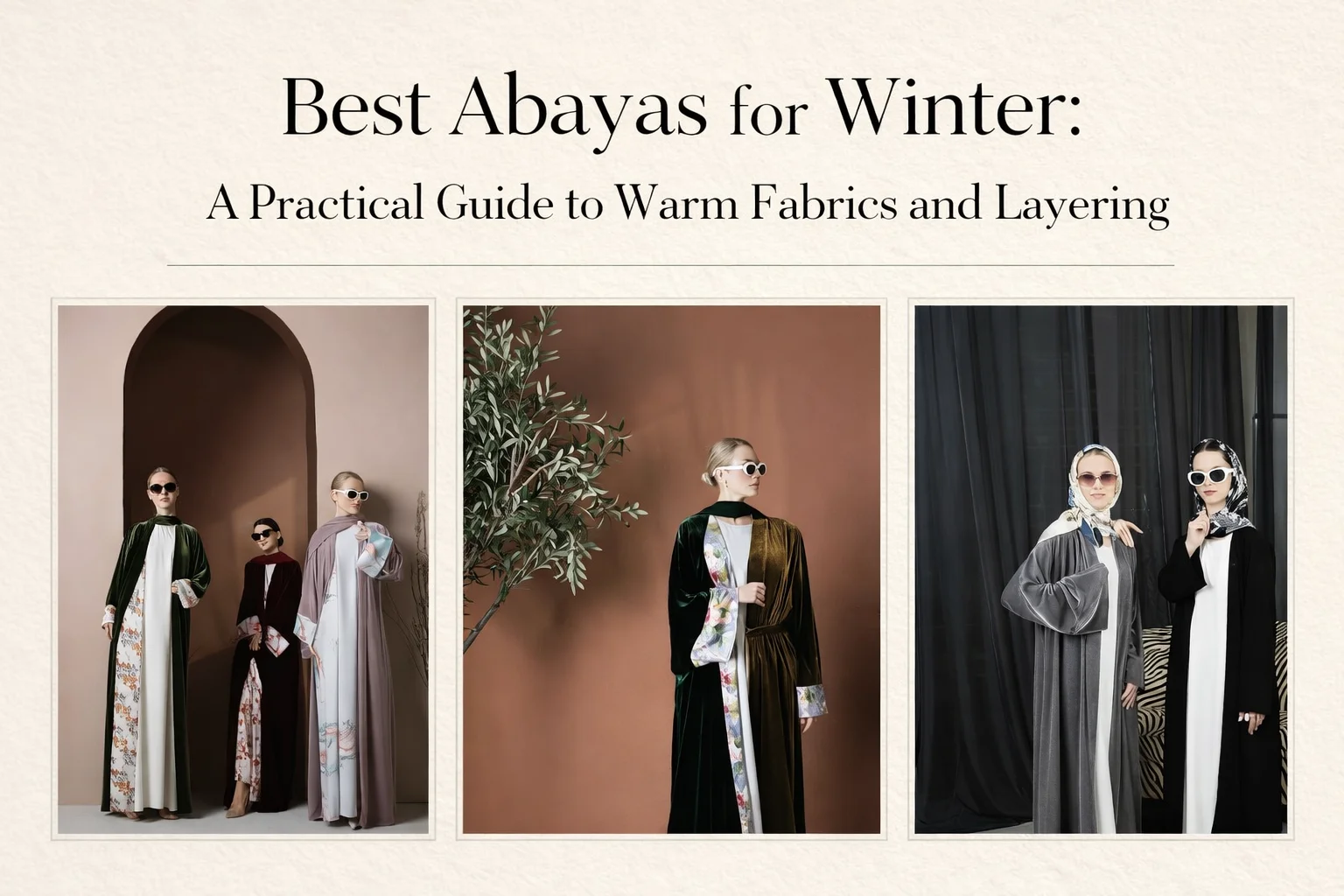
Winter may not produce frigid temperatures, but it surely shapes our dressing styles! Winter nights are cool, winter mornings are chilly, and most indoor areas are over-air-conditioned. Therefore, winter-season abayas with the best designs require a little more attention to ensure they provide the desired warmth without compromising their weight or stiffness.
A good abaya for winter can be soft yet breathable, and it still has that elegance and modesty that abaya fashion is all about. In this guide, we’ll brief you on what actually makes an abaya a good one for the winter, as well as the best materials to use during that time.
Understanding Winter Abayas and Seasonal Needs
Winter abayas are not simply summer abayas dyed in darker colors. Winter abayas are tailored to ensure comfort. While the summer abaya is tailored to ensure maximum airflow and lightness of fabric, the winter abaya is tailored to ensure the weight of the fabric.
The aim should be to feel comfortable rather than being weighed down. Abayas seem to be preferred by women because they can wear them from morning to evening without changing their outfits frequently. A good winter abaya can be easily adjusted to suit the temperature; one can feel comfortable both inside and outside.
Why Fabric Choice Matters So Much in Winter
Fabric is the heart of any winter abaya. Even the most beautiful design won’t feel right if the material is too thin or poorly made. Winter abaya fabrics should help retain body heat while still allowing some airflow, so you don’t feel overheated.
Quality fabrics also last longer. Since winter abayas are often worn repeatedly, strong stitching and well-woven materials help them keep their shape, texture, and comfort over time.
When choosing fabrics for winter abayas, it helps to think about:
- How heavy the fabric feels
- Whether it allows breathability
- How soft it is against the skin
- How easily it works with layering
Best Fabrics Used in Winter Abayas
Wool Blend Abayas
Wool blend abayas are a favorite for winters, and there’s no better explanation than that wool helps retain heat and allows your body to breathe simultaneously. However, when blended with other materials, it becomes light and easy to wear daily.
Such abayas are especially comfortable to wear in the evenings or when going outside. Moreover, these abayas are not stuffy inside. In addition, the cut and look of these abayas make them elegant.
Crepe Abayas for Winter
Crepe is one of the most versatile fabrics used in abaya fashion. For winter, slightly heavier crepe fabrics are preferred. They offer better warmth than lighter versions while still maintaining a smooth, elegant drape.
Winter crepe abayas are a great option for women who like clean lines and structured silhouettes. They are easy to layer and comfortable enough for everyday wear, which makes them both stylish and practical.
Nida Fabric for Cooler Weather
Nida fabric is known for its softness and graceful fall. In winter, thicker nida fabrics provide a good balance of warmth and comfort. They feel gentle on the skin and are easy to wear for long hours.
Many women choose Nida abayas because they don’t feel bulky, yet still offer enough warmth for cooler temperatures. This makes them ideal for daily routines that involve both indoor and outdoor movement.
The Importance of Fabric Weight and Texture
Fabric significance: Comfort levels in a winter abaya depend heavily on the fabric’s properties. Very thick fabrics make the abaya feel very heavy and restricted. At the same time, very thin ones do not offer sufficient warmth. Ideal winter abayas should be made of medium weight.
Texture is also a factor to consider. Soft textures feel better when you put them on together and are kinder to your skin over the long term. Smooth textures also make sure that the inner layers fit properly over the outer layers.
How to Layer Abayas for Winter Comfort
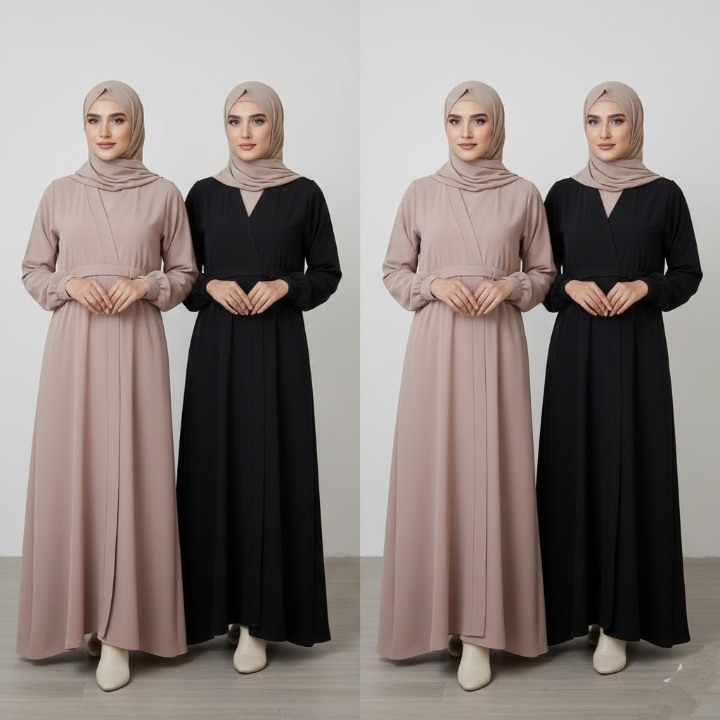
Layering is one of the easiest ways to stay warm in winter without relying on heavy outerwear. When done properly, layering keeps you comfortable while preserving the abaya’s elegant look.
Inner Layers That Add Warmth
Lightweight inner garments help trap body heat. These layers should fit well without feeling tight or bulky. Soft, flexible fabrics make movement easier and keep you comfortable throughout the day.
Choosing the Right Abaya Fit for Layering
The winter abaya should be slightly loose-fitting yet still tailored. Too-tight-fitting abayas make it uncomfortable to layer clothing. It is beneficial to have a little room for air to pass through the layers, helping retain body heat.
Abayas with a closed front are most helpful during winter because they preserve heat effectively.
Winter Abayas for Everyday Wear
For daily use, abayas with simple designs, monochrome colors, and strong fabrics are appropriate for winter.
These details involve features such as long sleeves, secure closure, and breathability. These details make a huge difference when it comes to the comfort of the abaya dress over a long period.
Winter Abayas for Special Occasions
Formal winter abayas are a combination of comfort and elegance. The use of structured fabrics and cuts, along with minimal ornamentation, creates a sophisticated appearance without compromising comfort.
Stitching and construction quality
Good stitching is as important as good fabric. Strong seams, neat finishes, and reinforced hems improve both comfort and durability.
Well-made abayas maintain their shape after multiple wearings, making them a reliable companion in a winter wardrobe.
Modest Fashion with Seasonal Elegance
Winter abayas prove how modest fashion can respond befittingly to the seasonal need. They blend tradition with practicality, allowing women to wear modest outfits while remaining comfortable in varying weather conditions.
Choosing a Winter Abaya That Lasts
When choosing a winter abaya, it is best to look beyond trends. Looking for timeless design and color without compromising on fabric ensures the abaya fits well with the seasons.
A wearable abaya for the winter season offers the long-term benefits of comfort, durability, and style.
Final Thoughts on the Best Abayas for Winter
Choosing the best abayas for winter is more than just selecting a thicker fabric. It is about being in tune with your comfort needs, choosing the right materials, and layering correctly. A well-chosen winter abaya leaves you warm, breathable, and elegant all at once.
Focus on fabric quality, fit, and construction to create a winter Abaya collection that works beautifully for both everyday wear and special occasions, making winter dressing so uncomplicated, comfortable, and stylish.
FAQ’s
What fabric is best for winter abayas?
Medium-weight fabrics like wool blends, winter crepe, and thicker nida are best because they provide warmth without feeling heavy.
Are winter abayas comfortable for daily wear?
Yes, when made with breathable fabrics and a relaxed fit, winter abayas are comfortable for long daily wear.
Can abayas be layered in winter?
Absolutely. Lightweight inner layers work well under winter abayas and help keep you warm without affecting the overall look.
Are closed-front abayas better for winter?
Yes, closed-front styles help retain warmth better and are more practical during cooler weather.Do winter abayas feel heavy?
Not if you choose the right fabric. Well-made winter abayas feel cozy and comfortable, not bulky.
Read More About Fashion
