
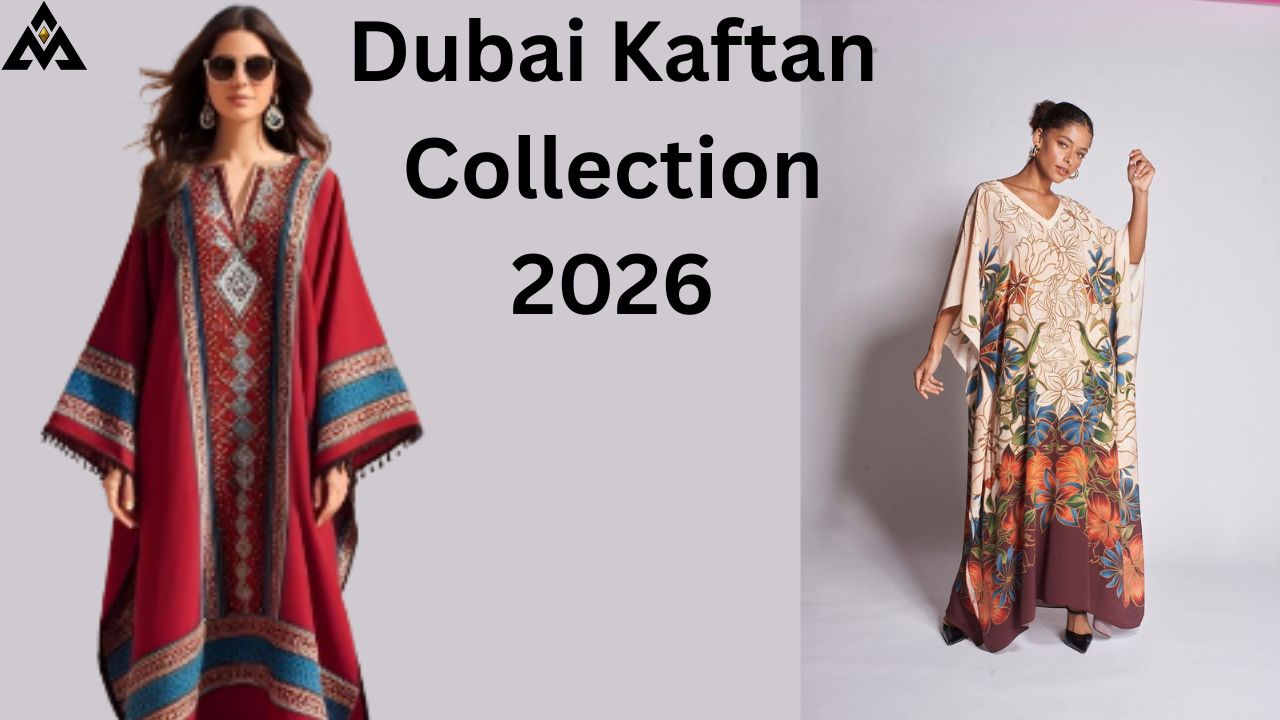
Dubai Kaftan styles are getting major attention in 2026 because they combine comfort, polished modest styling, and occasion-ready elegance in one wearable format. This guide explains what makes these pieces different, how to choose the right cut and fabric, how to style them well, and how to buy online without making common mistakes.
If you are comparing options for daywear, dinners, Eid, or weddings, this article is built to help you make a better decision—not just admire pretty product photos. You will get practical style logic, quality-check tips, and buyer-focused guidance you can actually use.
Why This Dubai Kaftan Collection Is Getting Attention in 2026
A Dubai kaftan collection usually refers to a curated range of modest fashion pieces that blend flowing kaftan-inspired silhouettes with elevated finishing, refined drape, and occasion-friendly styling. Compared with many standard modest-wear options, these designs often look more polished because the focus is not only on coverage but also on silhouette balance, fabric drape, and visual detail.
In 2026, the popularity is not only about trend hype. Kaftan Dubai choices are being noticed because they work across multiple settings: family gatherings, formal dinners, festive events, and even polished daywear. Women want pieces that feel breathable, move easily, and still look premium in photos and in person. That mix of versatility and luxury in modest fashion explains why these styles appear so often in modern conversations and designer collections.
From Daywear to Dinner Glam — Styles That Actually Work
When shoppers compare collections, they often focus on decoration first and function later. That creates disappointment. The smarter approach is to choose by use case: daywear, dinner, or festive wear. Kaftan Dubai styling works best when the finish level matches the occasion, not when every outfit tries to do everything.
1. Easy Daywear Looks That Still Feel Polished
The best daywear designs usually have a clean silhouette, soft drape, and minimal detailing. Look for breathable fabrics, neutral or muted color palettes, and lightweight finishing that gives structure without feeling heavy. These styles are easier to repeat, easier to style, and more comfortable for long wear.
A polished day look does not need heavy embellishments. Small design choices—neat cuffs, a clean neckline, balanced sleeve design, and quality seams—often create a stronger result than extra decoration. This is ideal for casual outings, lunch visits, and semi-dressed daywear.
2. Dinner-Ready Dubai Kaftan Dress Styles with a Premium Finish
For dinner parties and evening wear, structure and finishing matter more. A more refined version often includes pleats, beadwork placed in controlled areas, better lining, and a premium finish around cuffs, seams, or neckline details. These upgrades make the outfit feel formal without making it difficult to wear.
Look closely at:
- cuff finishing
- seam neatness
- lining quality
- embellishment control (not overcrowded)
- fabric fall under indoor lighting
This is where elegant kaftan looks stand out. A piece can stay modest and still feel event-ready when the craftsmanship supports the silhouette.
3. Festive Arabic Kaftan Dresses Dubai for Eid and Weddings
Festive Arabic kaftan dresses Dubai styles are often chosen for Eid and wedding events because they balance statement styling with graceful coverage. The key point is that “festive” does not always mean extremely heavy. A design can feel festive through fabric shine, embroidery quality, a thoughtful color palette, and thoughtful finishing, rather than relying solely on dense embellishments.
In many collections, festive pieces are popular because they combine:
- richer tones
- better finish quality
- elegant embroidery or beadwork
- stronger visual presence for photos
- Comfort suitable for long events
Respectful styling matters here, too. The goal is celebration and elegance, not visual overload.
The Cuts That Change Everything — Flowy, Layered, or Minimal?
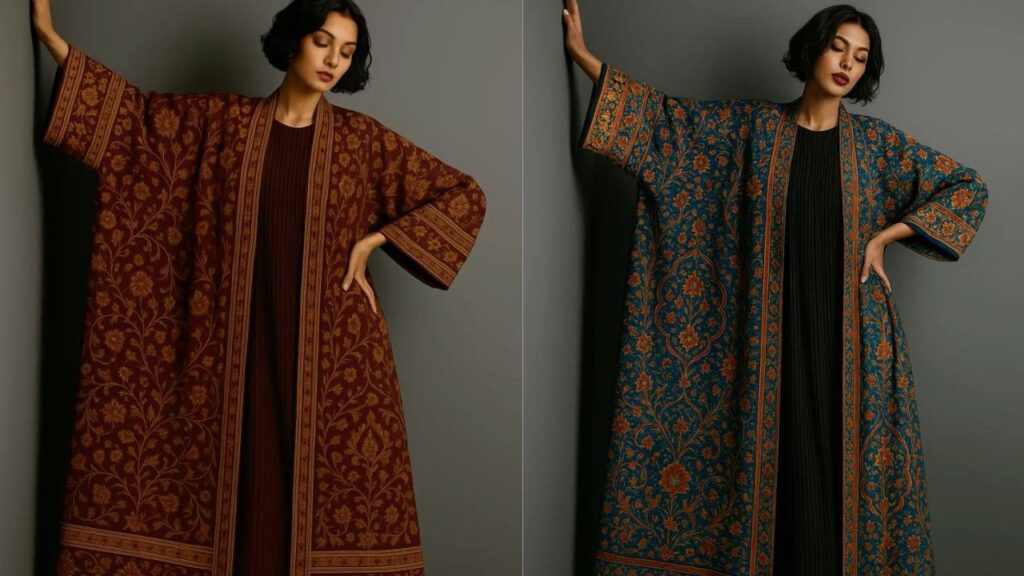
Cut selection can completely change how a garment looks and feels, even when the fabric is similar. Movement, drape, tailoring, and sleeve volume all shape the final effect. This is why silhouette education matters just as much as color or embellishments.
Flowy Statement Cuts for Events and Evening Wear
Flowy statement cuts are often preferred for formal events because they create movement and soft drama. Wide sleeves, batwing-inspired shapes, and generous drape can photograph beautifully and feel comfortable while walking or sitting through long gatherings.
That said, flow alone is not enough. Fabric fall must support the cut. If the fabric is too stiff, the silhouette can look bulky. If it is too thin, the shape may lose definition. The best event pieces balance movement with enough structure to maintain a clean line.
Open-Front Layered Looks for Versatile Modest Styling
Open-front cuts are excellent for women who want styling flexibility. They allow easy layering with an inner dress, make color coordination easier, and can shift from day to evening with simple accessory changes. This approach also supports comfort-first dressing, because you can adjust the outfit visually without changing the main garment.
This style is especially useful for:
- Repeat wear across different events
- modest layering with Hijab
- body-comfort preferences (without tight tailoring)
- quick day-to-night styling changes
If you like outfit variety from one piece, open-front styling is a strong option.
Clean Minimal Cuts for Everyday Elegance
Minimal cuts focus on clean lines, maxi length, and easy wearability. They are often the most practical option for frequent use because they need less styling effort and stay relevant across seasons. A well-tailored minimal design can feel more expensive than a heavily embellished piece with poor finishing.
This category suits buyers who want:
- one-step dressing
- repeat usability
- less accessory dependence
- understated elegance
There is no “best” cut for everyone. Comfort preference, styling habits, and occasion needs should guide the decision.
Read About Jewllery: What an Emerald Necklace Truly Symbolizes
Moroccan and Arabic Influences — The Signature Details to Look For
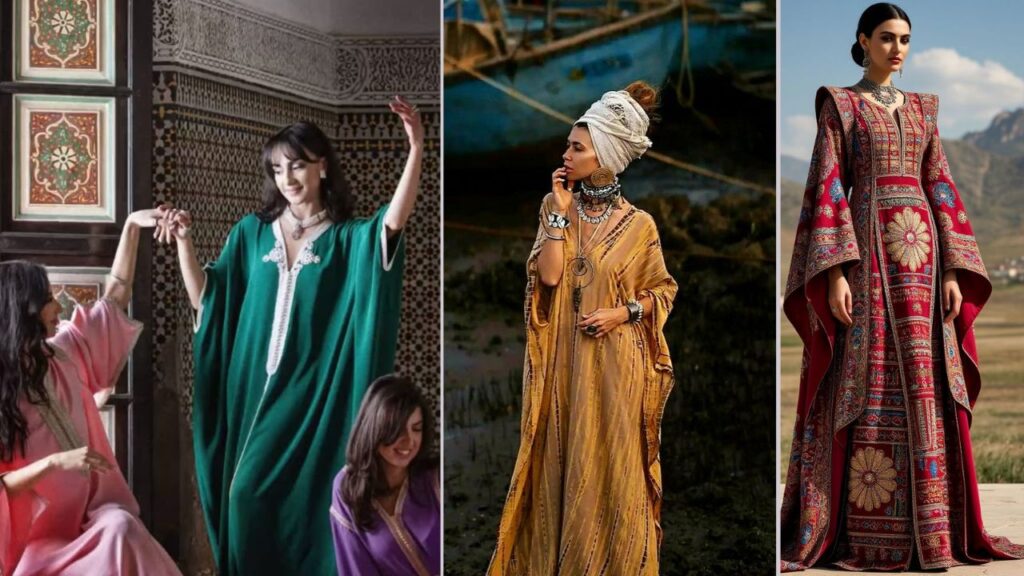
Regional inspiration gives many designs their identity, but buyers often see labels without understanding what to look for. Instead of relying solely on marketing terms, focus on pattern work, embroidery style, drape, and finishing details.
Moroccan-Inspired Looks with Rich Detail and Occasion Appeal
Moroccan-inspired pieces are commonly associated with richer detailing, decorative pattern work, and occasion-focused presentation. In practice, this may appear as stronger trim work, layered visual depth, embroidered accents, or more noticeable texture contrast.
When evaluating Moroccan-inspired styles, check:
- whether detailing is well-placed or overcrowded
- how the embroidery sits on the fabric
- whether the cut supports movement
- whether the finish feels suitable for the occasion
Use “inspired by” language unless the origin is verified, especially in product descriptions or editorial writing.
Arabic-Inspired Styling for Elegant, Festive, and Evening Looks
Arabic-inspired festive styling often emphasizes graceful drape, balanced embellishments, and elegant evening presence. The strongest pieces combine premium detailing with wearability, so the outfit looks elevated but still moves comfortably through long events.
A useful comparison lens is function, not only aesthetics:
- Movement: Can you walk and sit comfortably?
- Finish: Are seams, lining, and edge work clean?
- Flexibility: Can the look be styled differently for future events?
This approach keeps the article respectful and useful while avoiding vague cultural claims.
Fabric First, Then Fashion — How to Spot a Premium Piece
A beautiful product photo can hide average construction. A premium garment should look good and wear well. Kaftan Dubai buyers make better decisions when they evaluate fabric behavior and finishing quality before focusing on decoration.
Best Fabrics for Day Comfort vs Night Luxury
Different fabrics serve different goals. For day comfort, breathable fabric and lightweight material usually matter more than shine. For evening luxury, drape and finish may matter more than pure breathability.
Day-focused fabrics (often better for comfort):
- Chiffon (lined): airy and elegant, but check opacity
- Crepe: balanced drape, usually easier to maintain
- Georgette: flowy and feminine, can vary in thickness
- Nidha fabric: often preferred in modest wear for soft fall and comfort
Night/event-focused fabrics (often better for polish):
- Satin: rich surface, strong visual impact, but can show creases
- Silk or silk-like blends: elegant drape, premium feel, higher care needs
Always compare comfort, opacity, movement, and care requirements—not just how the fabric looks in a photo.
Color Trends 2026 That Make Kaftans Look Expensive
Color choices often affect perceived quality more than buyers expect. In 2026, many polished looks rely on controlled color palettes rather than loud contrast. Daywear usually benefits from soft neutrals, dusty tones, and calm shades, while evening wear often looks stronger in deeper tones or richer jewel-inspired colors.
The key is not “trendy color” alone. It is the relationship between color, fabric finish, and occasion. A simple shade in a good fabric can look far more premium than a bold shade in poor finishing.
Read More about Abaya: Best Abayas for Winter: A Practical Guide to Warm Fabrics and Layering
The Essential Guide to Abayas for Women
Style It Like a Pro — Hijab, Accessories, and Balance Rules That Work
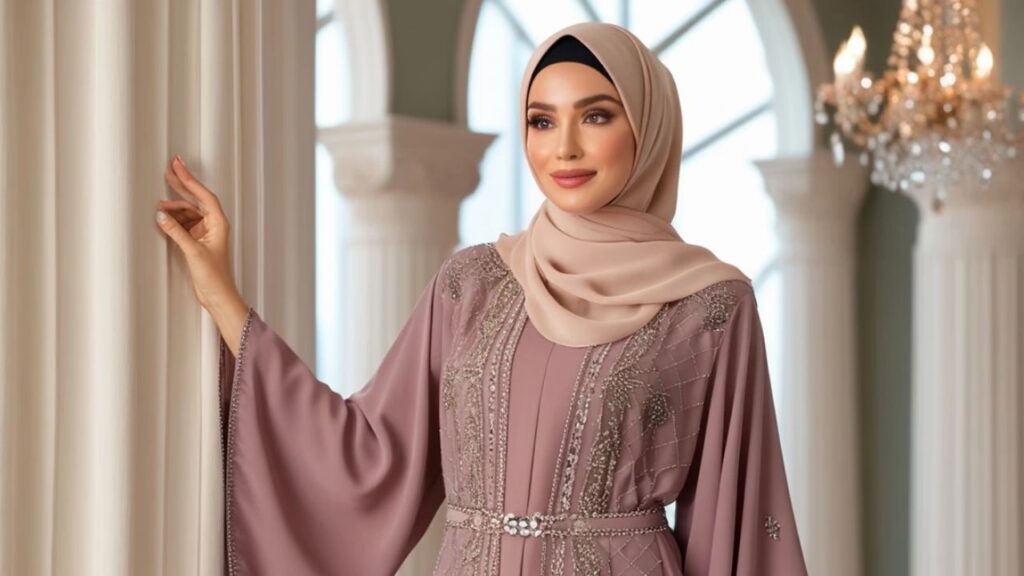
Good styling is about balance, not maximum decoration. This is where many outfits fail: the garment, Hijab, belt, and accessories all compete at once. Kaftan Dubai looks more elegant when one element leads, and the others support it.
Minimal Accessories for Heavy Embellished Pieces
If the garment already has beadwork, embroidery, or strong neckline detail, keep the accessories simple. Use a cleaner Hijab fabric, a small clutch, and understated heels or flats. This protects the silhouette and allows the garment to remain the statement piece.
Example combo (formal):
- embellished outfit
- plain satin/matte Hijab
- small clutch
- simple heels
- minimal jewelry
This keeps the look refined instead of crowded.
Statement Styling for Simple Looks
Minimal pieces can be elevated with thoughtful contrast. A belt can define the shape, a textured Scarf can add dimension, and the right shoes can shift the mood from casual to formal. The goal is controlled styling, not adding everything at once.
A simple styling formula:
- one focal accessory (belt, scarf, or clutch)
- one support accessory
- shoes matched to the occasion, not only color
- Avoid stacking multiple statement elements together
Day-to-Night Switches Without Changing the Outfit
A strong outfit should adapt. Small swaps can transform a look from daywear to evening wear without replacing the garment.
Quick day-to-night switches:
- change flats to heels
- Swap casual Hijab fabric for a smoother evening texture
- Add a structured clutch
- refine belt choice
- adjust makeup/jewelry (if applicable)
This improves wearability and helps justify the purchase.
Where to Buy Online Safely (Without Guessing)
Online shopping is convenient, but sizing, fabric expectations, and return problems are common. The safest approach is to evaluate the listing like a checklist, not like a mood board.
The 7-Point Checklist Before You Buy Any Dubai Listing
Use this scan-friendly checklist before payment:
- The size chart is clear and specific
- Fabric description is stated (not vague)
- Photos show details, not only edited full shots
- Lining info is mentioned where relevant
- Delivery timeline is clear
- Return policy is visible
- Customer reviews show useful feedback or real images
This reduces uncertainty and improves buyer confidence.
Red Flags That Signal a Risky Seller
Watch for these warning signs:
- no size chart
- unclear fabric information
- copied-looking photos
- missing return details
- unrealistic claims
- no close-up images of finishing
- weak or repeated review wording
These do not guarantee a bad purchase, but they increase risk.
Conclusion
Kaftan Dubai shopping becomes easier when you use a clear decision framework instead of relying on trend labels alone. Start with the occasion, then choose the cut/style, evaluate the fabric and finish, set your budget, and finally verify seller trust signals before paying.
That process improves comfort, confidence, and long-term wearability. Instead of chasing only visual hype, you build a smarter war
FAQ
What is the difference between a Dubai kaftan dress and an abaya-style version?
A Dubai kaftan dress is often designed as a dress-first piece, while an abaya-style version is usually built for modest layering, fuller coverage, and easier Hijab pairing. The difference becomes clearer when you compare the neckline, sleeve design, hemline, and layering needs.
Are Arabic kaftan dresses in Dubai good for weddings and Eid?
Yes, many are suitable for weddings and Eid when the finish, fabric, and embellishments match the event. Look for balanced embroidery, good lining, and comfortable drape so the outfit feels elegant over long celebrations.
Is a Moroccan-inspired Dubai kaftan always heavy and formal?
Not always. Some Moroccan-inspired styles are richly detailed and formal, but others use lighter pattern work and softer finishing. The best way to judge is by fabric, detailing density, and cut—not just the label.
How can I find cheap kaftan dresses in Dubai without losing quality?
Use a value-first checklist: fabric details, photos, seam quality, returns, and reviews. Lower price can still be a good buy if the garment has clean finishing and realistic product information.