
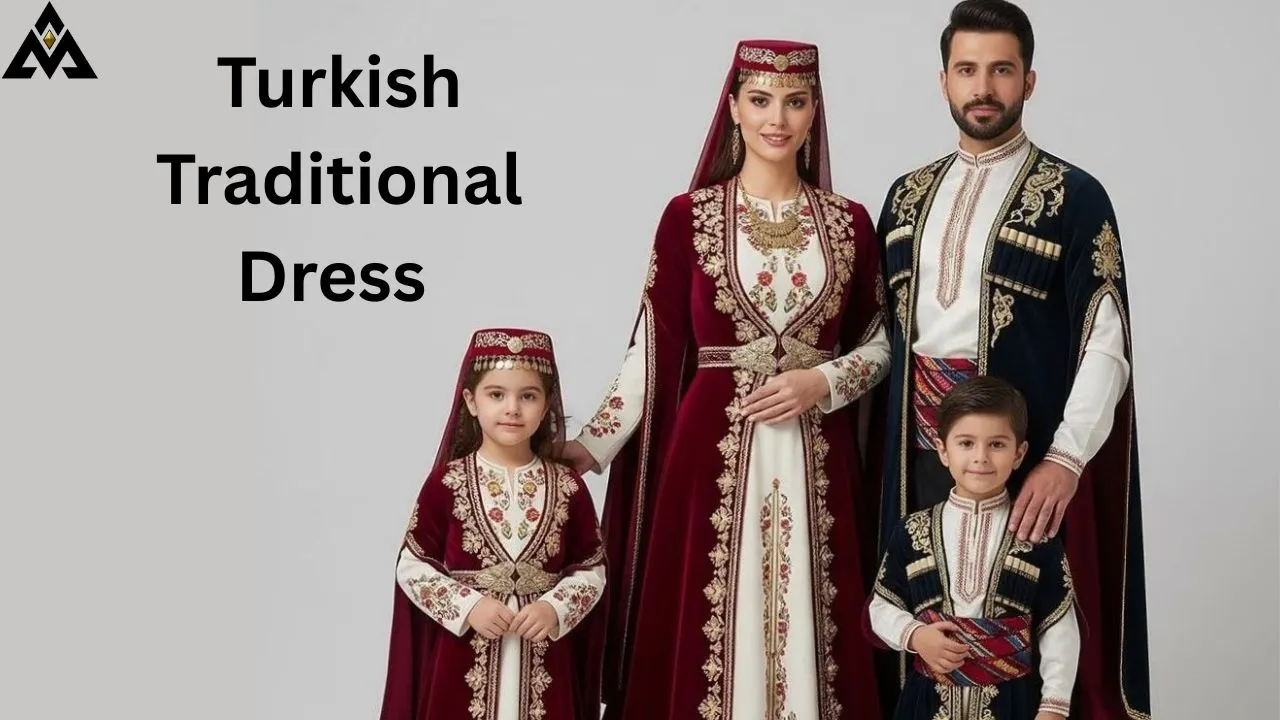
Turkish Traditional Dress represents far more than clothing. It is a visual language shaped by centuries of history, social structure, belief systems, and craftsmanship. From the royal tribunals of the Ottoman Empire to the villages of regional Turkey, Turkish Traditional Dress evolved as a reflection of identity, power, and cultural continuity. This guide offers a complete, trustworthy, and people-first understanding of Turkish Dress—explaining what it is, why it matters, how it evolved, and where its influence is still visible today.
What Is Turkish Traditional Dress and Why It Matters in Turkish Culture
Turkish Traditional Dress refers to historically rooted clothing styles worn by Turkish communities across different eras and regions. Unlike modern fashion, Turkish Dress was never created for trends. It was shaped by climate, lifestyle, religion, craftsmanship, and social norms. Every garment served a function while also expressing cultural belonging.
What makes Turkish Traditional Dress culturally important is its role in preserving identity and tradition. Clothing communicated marital status, regional origin, profession, and even moral values. Turkish Traditional Dress acted as a shared cultural code, passed down through generations, allowing people to recognize who someone was without words. Even today, Turkish Traditional Dress remains a strong symbol of cultural heritage, often revived in ceremonies, celebrations, and cultural storytelling.
Turkish Dress History: How Ottoman Culture Shaped Clothing
The history of Turkish Traditional Dress cannot be separated from the Ottoman period. During the Ottoman Era, clothing evolved into a structured system that reflected power, hierarchy, and belief systems. Dress was regulated by custom and, in some periods, even by law.
Ottoman society used clothing to reinforce social hierarchy. Palace life influenced fabrics, colours, and silhouettes, while everyday clothing remained practical yet symbolic. Turkish Dress during this time balanced luxury and restraint, aligning with cultural values of dignity and modesty. The evolution of these garments shows how fashion was never superficial—it mirrored empire, authority, and cultural stability.
Turkish Dress in the Ottoman Empire: Royal, Daily, and Ceremonial Wear
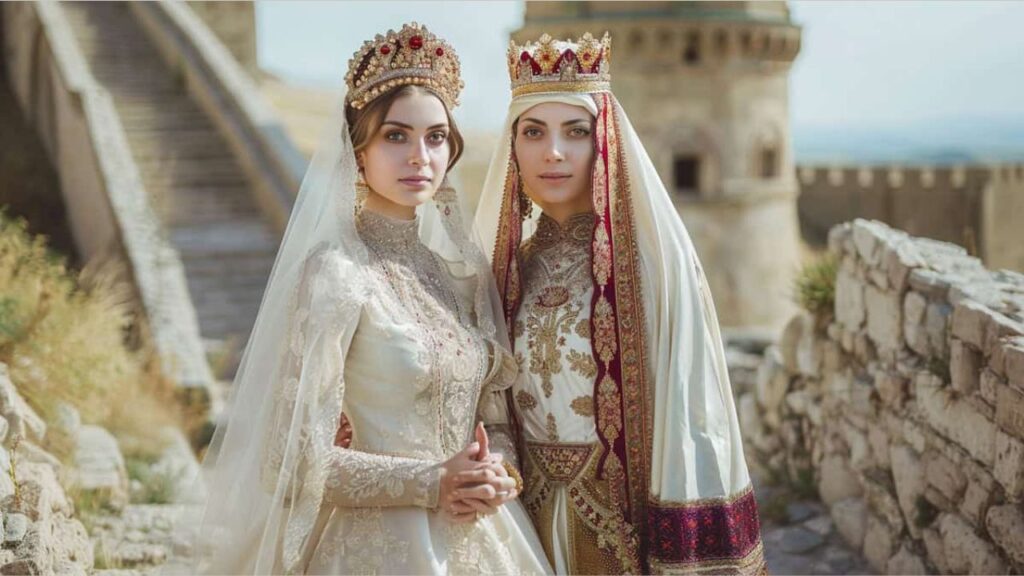
In the Ottoman world, Turkish Traditional Dress varied significantly between royal, daily, and ceremonial contexts. The court of the Ottoman Sultan displayed the most elaborate forms of dress, often shaped by Ottoman Court Culture. Royal garments featured luxurious fabrics, layered designs, and rich ornamentation.
Daily wear for common people was simpler but still followed traditional cuts and cultural norms. Ceremonial wear, used during festivals and state events, combined symbolism with formality. Through these distinctions, Turkish Dress clearly communicated social position and occasion, reinforcing cultural order without the need for spoken explanation.
Turkish Traditional Dress for Women: Fabrics, Designs, and Meaning
Women’s Turkish Traditional Dress focused on elegance, comfort, and symbolic expression. One of the most recognized garments is the Kaftan, worn in various forms depending on status and occasion. Fabrics such as silk and velvet were favoured for their durability and refined appearance.
Colours and embroidery were never random. They reflected age, marital status, and sometimes emotional expression. Modesty remained central, with layered designs that allowed movement while respecting cultural values. Turkish Dress for women demonstrated how fashion could be expressive without being excessive, preserving dignity while celebrating craftsmanship.
Turkish Traditional Dress for Men: Clothing, Status, and Identity
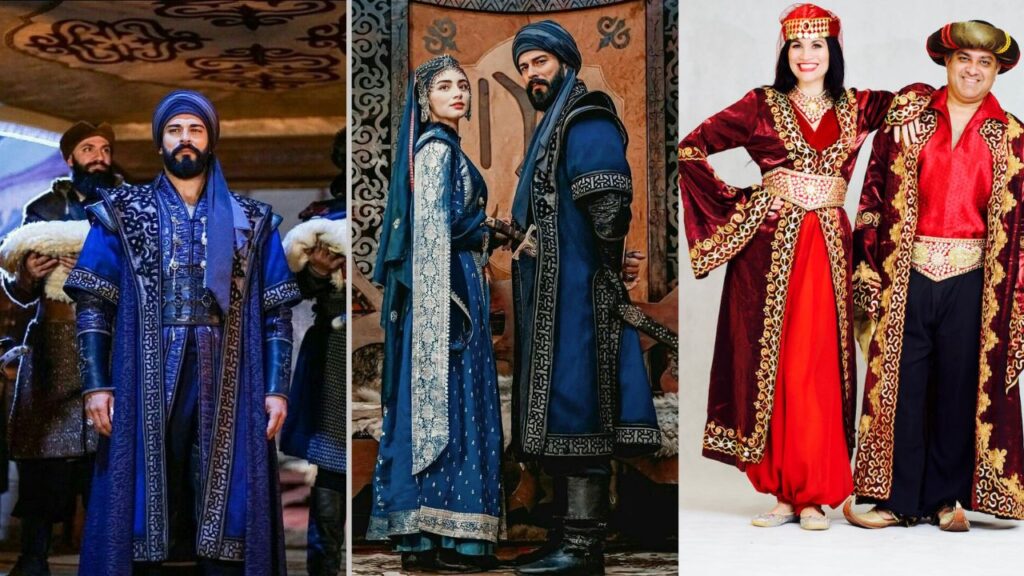
Men’s Turkish traditional dress emphasised function, authority, and social identity. Garments were tailored to daily responsibilities, whether agricultural, civic, or military. Traditional cuts allowed movement while maintaining formality, especially in public settings.
Across different Anatolian communities, men’s clothing reflected occupation and rank. Elements such as belts, headwear, and outer garments conveyed masculinity and responsibility. Turkish Dress for men reinforced social order, making clothing a visible marker of role and respect within society.
Symbolism and Cultural Meaning Behind Turkish Traditional Dress
Symbolism is central to understanding Turkish Traditional Dress. Colours, patterns, and embroidery served as cultural language rooted in Anatolia’s symbolic traditions. Red often symbolized vitality and celebration, while darker tones represented maturity or authority
Embroidery carried stories of craftsmanship and belief. Motifs passed through generations reflected protection, prosperity, or faith. Through symbolism, Turkish Dress allowed individuals to express identity, values, and belonging without spoken explanation, turning clothing into cultural storytelling.
Read More About Jewllery: What an Emerald Necklace Truly Symbolizes
Why Dior Necklaces Are So Expensive
Is the Chanel Necklace Real Gold?
Regional Turkish Dress Across Anatolia: Styles and Differences
Across Anatolia, climate, geography, and daily lifestyle strongly influence how traditional clothing developed. This is why Turkish dress changes from region to region, reflecting local needs while still sharing a common cultural foundation.
| Region of Anatolia | Climate & Environment | Common Fabrics Used | Key Style Characteristics | Cultural Purpose |
| Aegean Region | Mild and breezy | Lightweight cotton, woven textiles | Airy layers, relaxed fits | Everyday wear and social gatherings |
| Central Anatolia | Dry with cold winters | Wool blends, thicker fabrics | Structured layering, practical cuts | Warmth and community identity |
| Eastern Anatolia | Very cold climate | Heavy wool, felted textiles | Dense layers, protective outer garments | Survival and tradition preservation |
| Black Sea Region | Humid and rainy | Durable woven fabrics | Functional designs, strong stitching | Farming and outdoor lifestyle |
| Mediterranean Region | Warm and sunny | Soft cotton, light fabrics | Loose silhouettes, breathable styles | Comfort and festive occasions |
| Southeastern Anatolia | Hot summers | Cotton with decorative textiles | Bold embroidery, expressive patterns | Ceremonial and cultural expression |
Turkish Traditional Dress in Weddings, Festivals, and Ceremonies
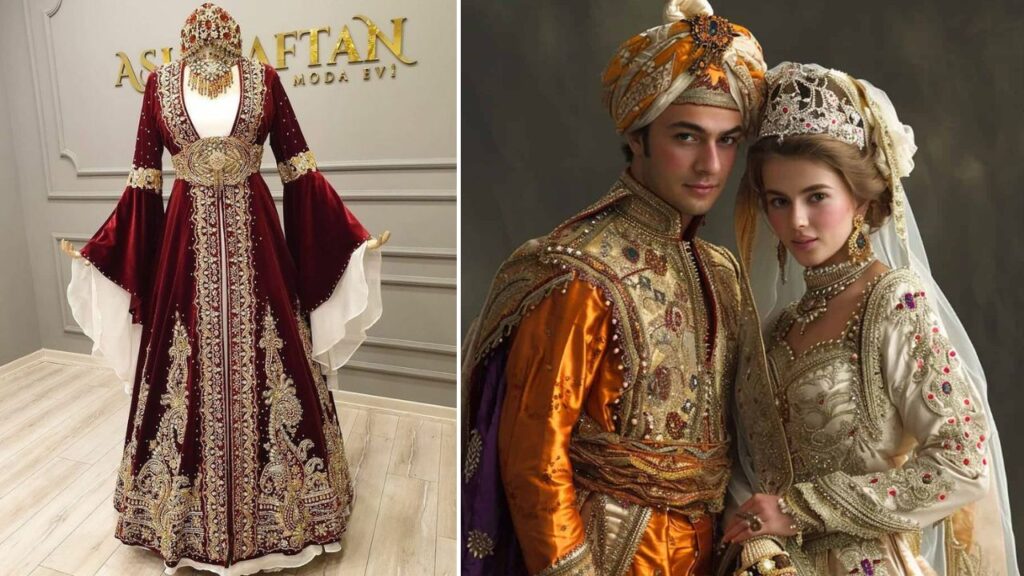
Turkish traditional dress still holds strong cultural value because people wear it during life’s biggest moments. Weddings, festivals, and ceremonies keep these garments alive, not as costumes, but as meaningful symbols of identity and respect.
1. Turkish Dress in Weddings: Family Heritage and Identity
In many Turkish weddings, traditional clothing represents family roots and cultural pride. It helps the bride, groom, and relatives show where they come from and what they value. The outfit often reflects regional heritage through fabric choice and design details. The traditional Turkish wedding dress serves to honour elders and keep tradition visible.
2. Turkish Traditional Dress in Engagements and Pre-Wedding Rituals
Before the wedding day, many communities have rituals where traditional clothing is worn with a purpose. These gatherings highlight respect, modesty, and celebration at the same time. Clothing may be less formal than wedding attire, but still rich in cultural meaning. Turkish dress in these rituals creates a stronger emotional connection to the event.
3. Turkish Dress in Festivals: Community Celebration and Belonging
Festivals bring entire communities together, and traditional clothing helps create a shared cultural atmosphere. People wear outfits that represent local identity, making celebrations feel more authentic. Music, dance, and clothing work together to preserve heritage in a living way. Turkish traditional dress in festivals turns culture into something people can see and feel.
4. Turkish Dress in Religious and Cultural Ceremonies
Many ceremonies involve traditional clothing because it communicates respect and seriousness. The garments often follow modest silhouettes and careful styling, aligned with cultural values. Colours and embroidery may be more controlled depending on the occasion. Turkish dress in ceremonies shows that tradition still guides public behavior and identity.
5. Why Turkish Traditional Dress Still Appears in Modern Events
Even with modern fashion everywhere, people still choose traditional clothing for meaningful moments. It carries emotional weight that modern outfits often cannot match. Wearing it helps people feel connected to history, family, and cultural continuity. Turkish dress remains relevant because it supports identity in a changing world.
How Turkish Traditional Dress Influences Modern Modest Fashion
- Layered silhouettes: Modern modest fashion draws on layered structures from Turkish traditional dress, offering coverage without sacrificing elegance or movement.
- Loose yet structured cuts: Designers borrow relaxed outerwear shapes inspired by historical garments, creating modest outfits that feel refined rather than restrictive.
- Rich textiles and textures: Fabrics like silk blends, soft cottons, and textured weaves reflect traditional material choices while fitting contemporary lifestyles.
- Minimal yet meaningful decoration: Modern modest fashion uses restrained embroidery and detailing inspired by traditional craftsmanship rather than heavy ornamentation.
- Cultural continuity in design: By drawing from Turkish dress, Modest Fashion stays rooted in heritage while evolving for today’s global audience.
Why Turkish Traditional Dress Still Matters Today
Turkish Traditional Dress still matters because it preserves cultural memory in a rapidly changing world. It connects people to their roots, reminding them of shared history and values. In an era of fast fashion, traditional dress offers depth, intention, and authenticity.
By understanding Turkish Dress, we preserve more than garments—we protect identity, craftsmanship, and cultural pride. Its continued relevance lies in its ability to educate, inspire, and unify generations through visible heritage.
Conclusion
Turkish traditional dress represents a living connection between history, culture, and modern identity. It shows how clothing can carry meaning beyond appearance, reflecting values, traditions, and social belonging. From Ottoman influence to regional styles and modern adaptations, these garments continue to evolve without losing their essence.
Understanding Turkish dress helps preserve cultural heritage while appreciating how tradition and contemporary fashion can coexist, offering depth, authenticity, and continuity in a rapidly changing world.
FAQ’s
Which is the traditional dress of Turkey?
The traditional dress of Turkey varies by region, but the most recognized garments come from the Ottoman period, including layered outfits and the kaftan. These clothes reflect cultural heritage rather than a single national costume.
What is the body type of a Turkish woman?
There is no single body type for Turkish women, as body shapes vary naturally across individuals and regions. Traditional clothing was designed to be modest and adaptable to different body types.
What is an Ottoman dress?
An Ottoman dress refers to clothing styles worn during the Ottoman Empire, often featuring layered designs and rich fabrics. These garments reflected social status, culture, and occasion.
Is the kaftan part of Turkish traditional dress?
Yes, the Kaftan is one of the most iconic elements of Turkish dress, especially for formal and ceremonial wear. It was widely used in Ottoman court culture.
Do people in Turkey still wear traditional dress today?
In modern Turkey, traditional dress is most often worn at weddings, festivals, and cultural events. Everyday clothing is modern, but traditional styles remain culturally important.