
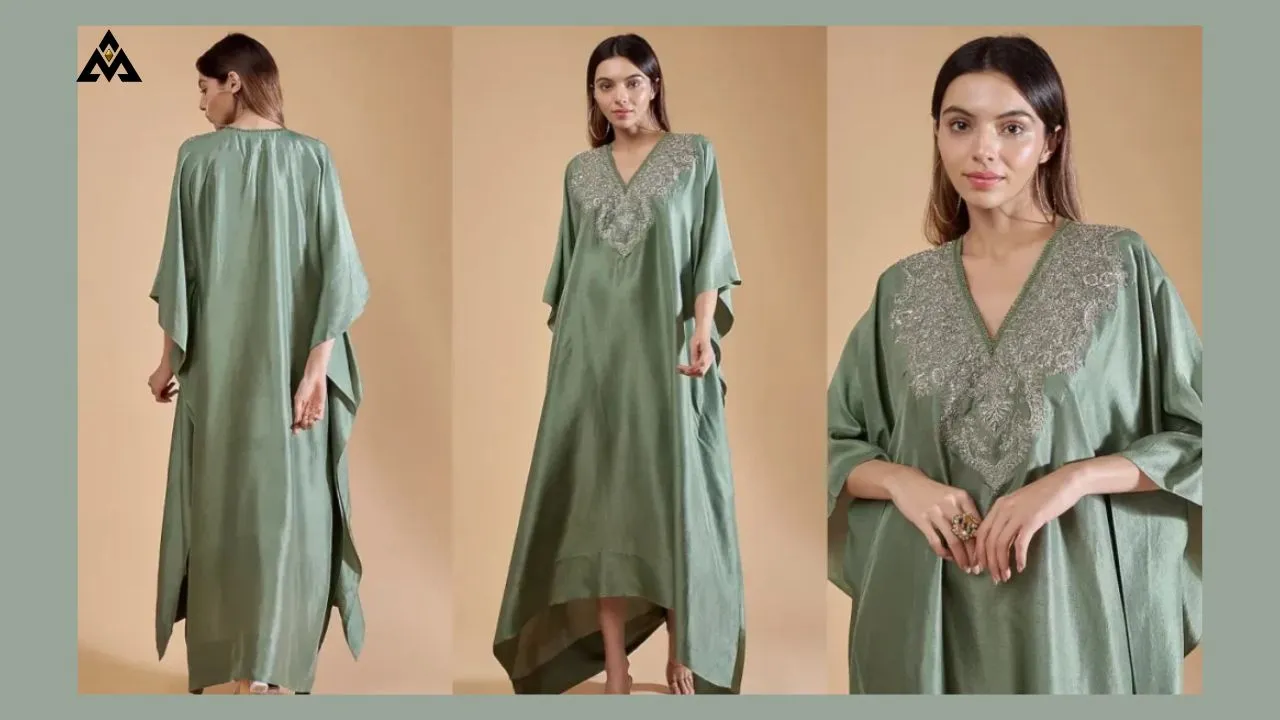
What Is a Kaftan Dress? If you’ve ever seen a loose, flowing outfit that looks elegant yet effortless, chances are you were looking at one. This guide explains exactly what a kaftan is, where it came from, why it remains popular, and how you can wear one confidently. By the end, you’ll understand the garment from history to modern styling — not just what it is, but why it matters in fashion.
What Is a Kaftan Dress?
A kaftan is a long, loose, flowing garment designed for comfort and graceful movement. It usually has wide sleeves, a relaxed silhouette, and minimal tailoring, allowing the fabric to drape naturally over the body. Unlike fitted dresses, a kaftan prioritizes airflow and ease, which is why it has been associated with warm climates and modest attire for centuries.
The name traces back to Middle Eastern fashion traditions and the Ottoman Empire, where it was worn as a symbol of status and dignity. Today, the design has evolved into modern women’s kaftan wear that blends tradition with contemporary style. Visually, it looks like a soft, elongated rectangle of fabric shaped into a wearable form — simple in structure but striking in presence.
Where Did Kaftan Dresses Come From?
The kaftan has deep historical roots across multiple cultures. Variations appeared in the Ottoman court, North Africa, and Mediterranean clothing traditions long before modern fashion existed. In Morocco, richly decorated versions became ceremonial garments, while African traditional dress incorporated vibrant prints and embroidery.
Originally, the garment signified cultural heritage clothing and social identity. Rulers and elites wore ornate fabrics, while everyday people used practical textiles suited to the climate. Over time, trade routes and cultural exchange spread the silhouette across continents. Its survival through centuries is proof that functional clothing can also carry artistic and symbolic meaning.
Why Are Kaftan Dresses Still Popular Today?
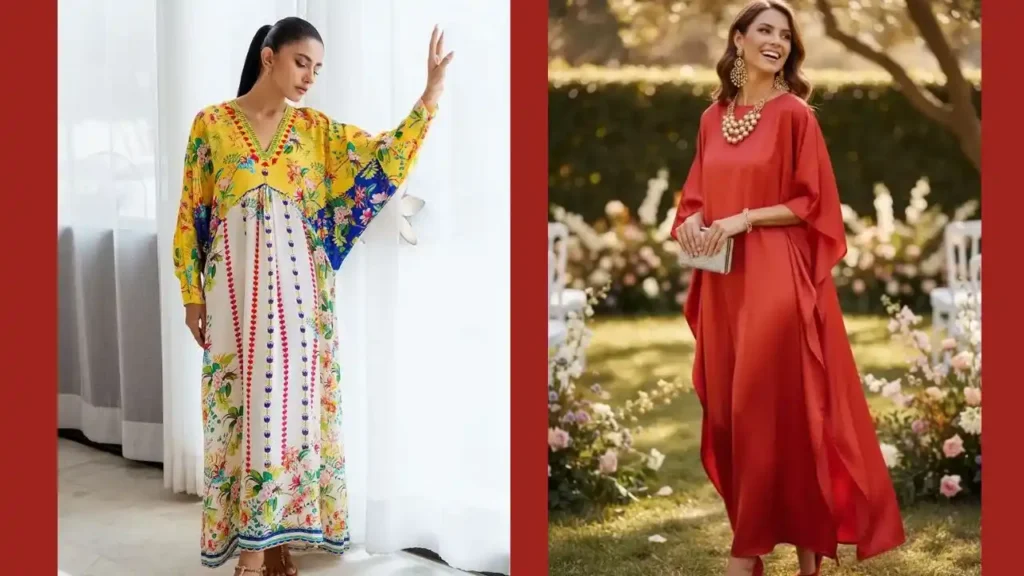
Modern fashion often chases comfort, and the kaftan delivers it naturally. The relaxed fit suits a wide range of body shapes without restriction. Designers continue to reinterpret it through prints, fabrics, and tailoring, keeping it relevant in global fashion influence circles from Dubai to Paris runways.
Women prefer it because it blends elegance with ease. It works as resort wear, casual lounge wear, or statement evening attire, depending on the styling. The appeal lies in versatility: it adapts to lifestyle changes without losing identity. In a world leaning toward breathable, practical garments, the kaftan feels timeless rather than trendy.
How Kaftan Dresses Are Designed and Constructed
Structurally, a kaftan is built around flow rather than shape. The silhouette is wide, sleeves are integrated into the body, and seams are minimal. This construction reduces tight points and allows breathable design movement. Haute couture versions may add embroidery, beadwork, or panels, but the core idea remains simplicity.
The relaxed-fit clothing philosophy means the garment works with the body rather than reshaping it. Stitching often emphasizes durability and drape rather than contour. That balance between structure and softness is what makes the garment unique — it is engineered to move gracefully rather than cling.
Read More: What Is a Kaftan
What Fabrics Are Used in Kaftan Dresses?
The fabric you choose changes everything—how the outfit falls, how cool it feels, and how formal it looks. Below are five practical fabric options so you can pick the right one for the weather, comfort, and occasion.
1.Cotton Kaftans
Cotton is the most breathable and skin-friendly option for daily wear. It absorbs sweat well, making it ideal for hot weather and long days. Cotton kaftans look relaxed, natural, and easy to style with simple accessories. Choose lighter cotton for summer and slightly thicker cotton for year-round comfort.
2. Silk Kaftans
Silk gives a smooth, glossy finish that feels instantly luxurious. It drapes beautifully, so the silhouette looks elegant without effort. Silk is best for dinners, weddings, and formal gatherings where you want a refined look. Handle with care, as silk requires gentle washing and proper storage.
3. Chiffon Kaftans
Chiffon is lightweight, airy, and perfect for a soft, flowy appearance. Many chiffon kaftans come with an inner lining for coverage and structure. It works well for parties, beach vacations, and evening wear due to its graceful movement. If you want a delicate look, chiffon is a strong choice.
4. Linen Kaftans
Linen is known for its cooling effect and natural texture. It feels fresh in humid weather and gives a clean, effortless style vibe. Linen kaftans are great for travel because they look premium even when styled simply. Expect slight wrinkles, but that’s part of linen’s classic charm.
5. Satin and Crepe Kaftans
Satin creates a shiny, dressy look, while crepe offers a soft, slightly textured finish. Both fabrics fall nicely and add a polished feel for occasions and events. They work well for embroidered designs because they hold shape better than very light fabrics. If you want a modern, elegant kaftan look, satin or crepe is a smart pick.
How to Style Kaftan Dresses for Women
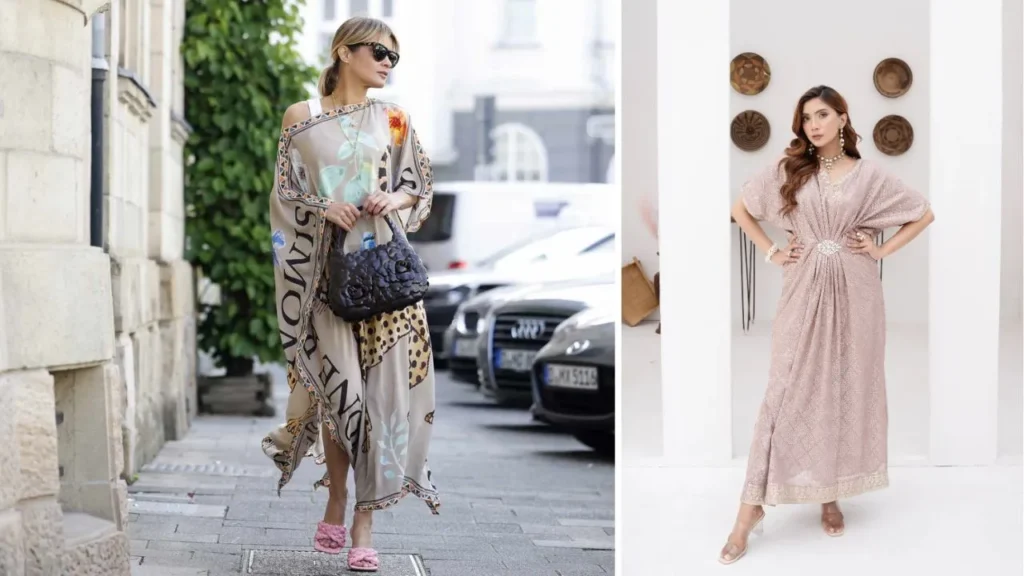
How to Style Kaftan Dresses for Women depends on where you’re going and the look you want—relaxed, polished, modest, or party-ready. Use these simple styling ideas to make the same outfit feel completely different without overdoing it.
1. Casual Day Look (Everyday Comfort)
For a casual day, choose breathable fabrics like cotton or linen in soft prints or solid colors. Pair it with flat sandals or simple slip-ons to keep the vibe effortless and clean. Add a small crossbody bag to keep the outfit practical, not sleepy or oversized. Keep jewelry minimal—small hoops, a delicate chain, or a slim watch works best. If you want light definition, use a thin belt loosely rather than tightening it too much.
2. Party or Evening Look (Polished and Elevated)
For evening wear, pick richer fabrics like silk, satin, or crepe for a more refined drape. Add statement earrings or a bold cuff bracelet to instantly lift the outfit’s impact. Switch to heels or elegant wedges to create a taller, more formal silhouette. Choose a clutch or structured handbag to make the look feel event-ready. A neat hairstyle and subtle makeup balance the flowy outfit and keep it sharp.
3. Modest Styling (Coverage Without Losing Style)
If you prefer modest styling, layer the outfit over straight pants or leggings in a matching tone. Choose sleeves and necklines that feel comfortable while still looking elegant and modern. Use a scarf or light shawl in a complementary shade for a cohesive, polished finish. Avoid bulky layers—keep everything slim underneath so the drape stays flattering. Neutral footwear and a structured bag help the look feel intentional rather than overly layered.
4. Vacation and Beach Styling (Resort Vibe)
For vacations, go for bright colors, tropical prints, or airy chiffon that photographs well. Pair it with strappy sandals, slides, or espadrilles for a relaxed resort look. Add sunglasses and a wide-brimmed hat to instantly create a complete summer outfit. A woven tote or straw bag works perfectly and matches the holiday mood. Keep accessories natural—shell details, simple bangles, and light layers feel best.
5. Belted and Layered Styling (Shape and Structure)
If you want more shape, use a belt to define the waist without ruining the flow. A wide belt gives a bold fashion look, while a thin belt keeps it subtle and elegant. You can also layer with a short jacket or long shrug for extra structure and style. Choose clean lines in outer layers so the outfit doesn’t look heavy or messy. This approach is best for dinners, work-friendly looks, and days you want a sharper vibe.
Where Can You Wear a Kaftan Dress?
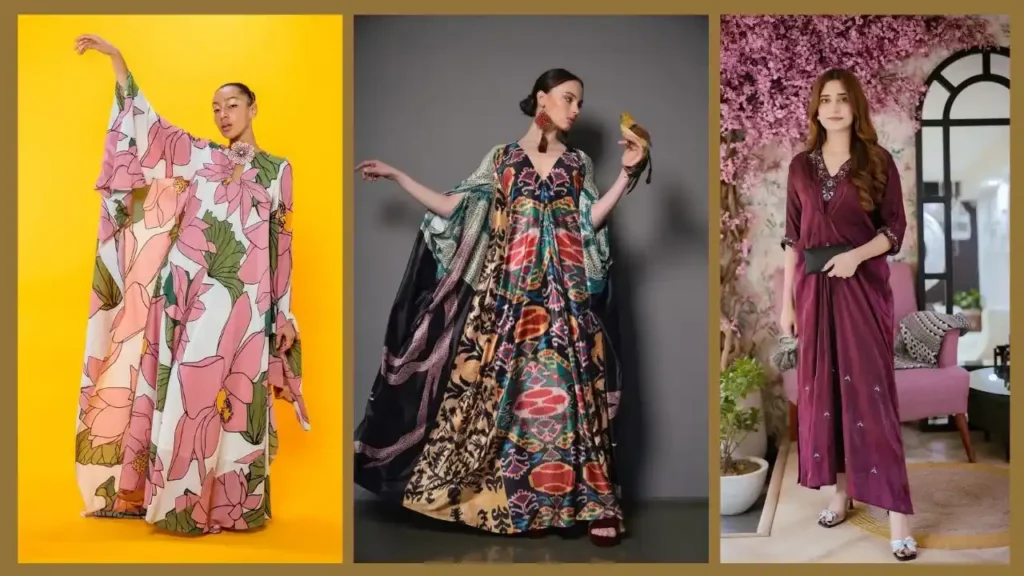
Few garments travel across occasions as easily. At home, it functions as relaxed attire. At the beach, it becomes effortless cover-up wear. At weddings or parties, embellished versions serve as statement outfits. Resort wear fashion embraces it for travel because it packs lightly and resists wrinkles.
The day-to-night flexibility of fashion means you rarely need to change outfits. With the right fabric and styling, it transitions from casual gatherings to formal dinners without feeling out of place.
How to Choose the Right Womens Kaftan Dress
How to Choose the Right Womens Kaftan Dress starts with understanding comfort, purpose, and personal style. A good choice should feel effortless to wear while still looking intentional and flattering.
1. Fabric Selection Matters
A womens kaftan dress should match the climate and occasion through fabric choice. Cotton and linen womens kaftan dresses work best for daily wear and hot weather. Silk or satin womens kaftan dresses suit formal settings and evening styling. Always choose a fabric that moves easily and feels gentle on the skin.
2. Focus on Fit and Length
The right womens kaftan dress should feel relaxed without looking oversized. Length plays a big role in balance, especially for different heights and body shapes. Ankle-length womens kaftan dresses create elegance without dragging heavily. Comfortable fit ensures movement while keeping the silhouette clean.
3. Choose Colors That Suit Your Style
Color defines how a womens kaftan dress communicates mood and personality. Neutral womens kaftan dresses feel timeless and easy to accessorize. Bold prints add energy and make the garment a visual statement. Pick tones that match your wardrobe for maximum versatility.
4. Consider Occasion and Purpose
A womens kaftan dress should align with where it will be worn most often. Simple womens kaftan dresses suit daily routines and relaxed gatherings. Decorated styles work better for weddings, travel, and evening events. Purpose-driven selection prevents overbuying and improves usability.
5. Pay Attention to Details
Details influence how a womens kaftan dress looks up close and from afar. Embroidery, sleeves, and neckline shape affect overall elegance. High-quality stitching improves durability and long-term comfort. Small design elements often define whether the outfit feels premium.
Modern Kaftan Dress Trends
Modern Kaftan Dress Trends are all about blending comfort with statement style. Designers are updating classic silhouettes using new fabrics, bolder details, and more wearable cuts for everyday and occasion looks.
- Bold Prints & Statement Patterns: Abstract, geometric, and tropical prints are trending for a modern, eye-catching look. Large-scale patterns photograph well and stand out in casual or resort styling.
- Luxury Embroidery & Handwork Details: Heavy embroidery, mirror work, and bead detailing are popular for festive wear. These styles feel premium and are often inspired by Middle Eastern and Moroccan designs.
- Belted Kaftans for a Structured Shape: More people prefer belted versions to define the waist without losing comfort. Thin belts give a subtle shape, while wide belts create a fashion-forward vibe.
- Minimalist Solid Colors & Clean Cuts: Simple, plain tones with neat stitching are trending for a modern wardrobe. Neutral kaftans look elegant and are easy to style for day-to-night wear.
- Sheer Layers and Lightweight Fabrics: Chiffon layering and light transparent sleeves are trending for summer styling. These designs feel airy, graceful, and ideal for vacations or evening events.
- Sustainable and Natural Fabric Choices: Linen, organic cotton, and eco-friendly blends are becoming more common. Buyers now prefer breathable fabrics that feel good and last longer.
- Modern Sleeve Variations: Batwing, wide sleeves, and cuffed sleeves are being used to refresh the silhouette. Sleeve changes add personality without changing the traditional feel.
Conclusion
The kaftan survives because it answers a universal need: comfort without sacrificing elegance. From ancient courts to modern wardrobes, it has adapted while staying recognizable. Understanding its origins, construction, and styling unlocks its full potential. After exploring its story and function, you can wear one not just as clothing, but as a piece of living fashion history.
FAQ’s
What is a kaftan dress for?
A kaftan dress is worn for comfort, modesty, and effortless style in warm climates. It works for home wear, travel, parties, and even formal occasions, depending on the fabric.
Why do Muslims wear kaftans?
Many Muslims prefer kaftans because they provide loose, modest coverage. They align with cultural traditions while remaining comfortable and elegant.
Which cloth is a kaftan?
A kaftan can be made from cotton, silk, chiffon, linen, or satin. Fabric choice depends on climate, occasion, and desired look.
Is kaftan the same as abaya?
No, a kaftan is a loose fashion garment, while an abaya is specific religious attire. They may look similar but serve different cultural and stylistic purposes.
Are kaftan dresses formal or casual?
Kaftans can be both casual and formal, depending on design and fabric. Simple cotton styles are casual, while silk and embroidered versions are formal.