
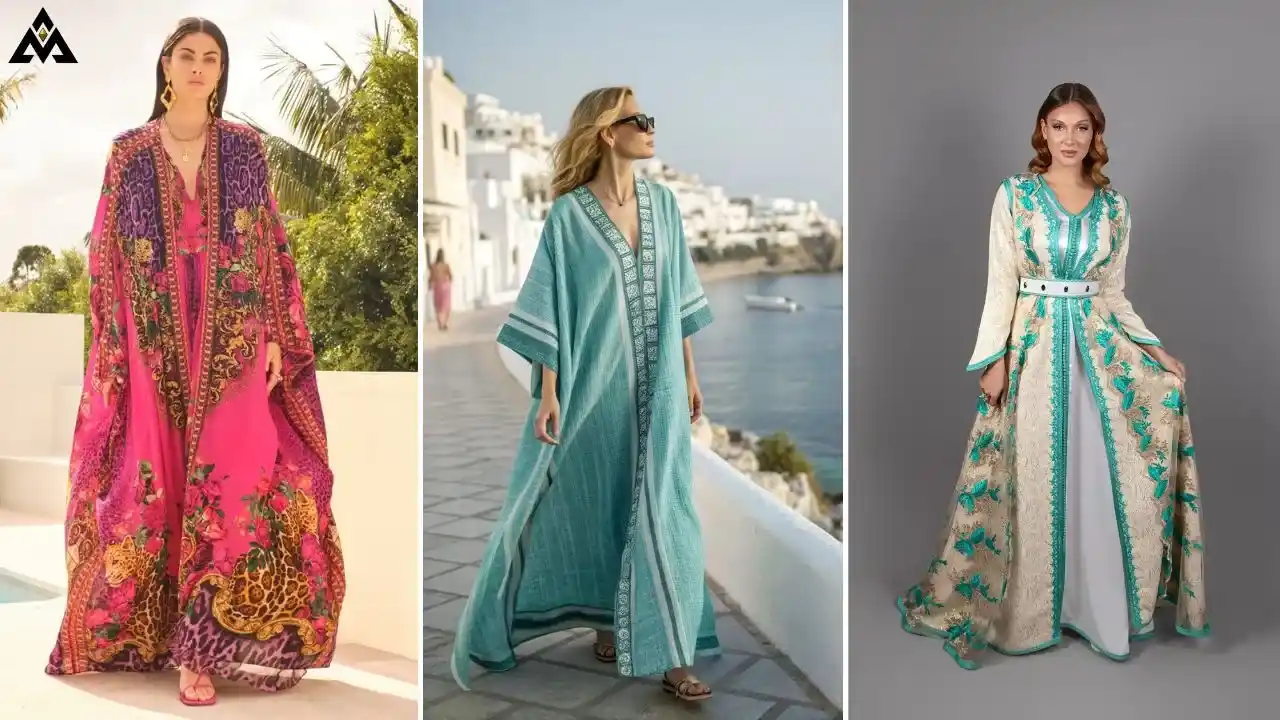
A kaftan is a loose, flowing garment designed for comfort, elegance, and cultural expression. Unlike structured dresses that follow strict tailoring, the kaftan drapes naturally over the body, creating movement instead of restriction. The meaning of kaftan goes beyond clothing. It represents heritage, identity, and centuries of craftsmanship rooted in Middle Eastern fashion and North African heritage.
Traditionally, the kaftan dress was worn as a symbol of status and refinement. Today, it exists in both luxury wardrobes and everyday fashion. Women choose kaftans for elegance and ease. Men wear them as a cultural garment that connects modern life with historical roots. What makes a kaftan different from normal dresses is its philosophy: it prioritizes freedom, airflow, and visual grace over tight silhouettes.
The Historical Roots of the Kaftan
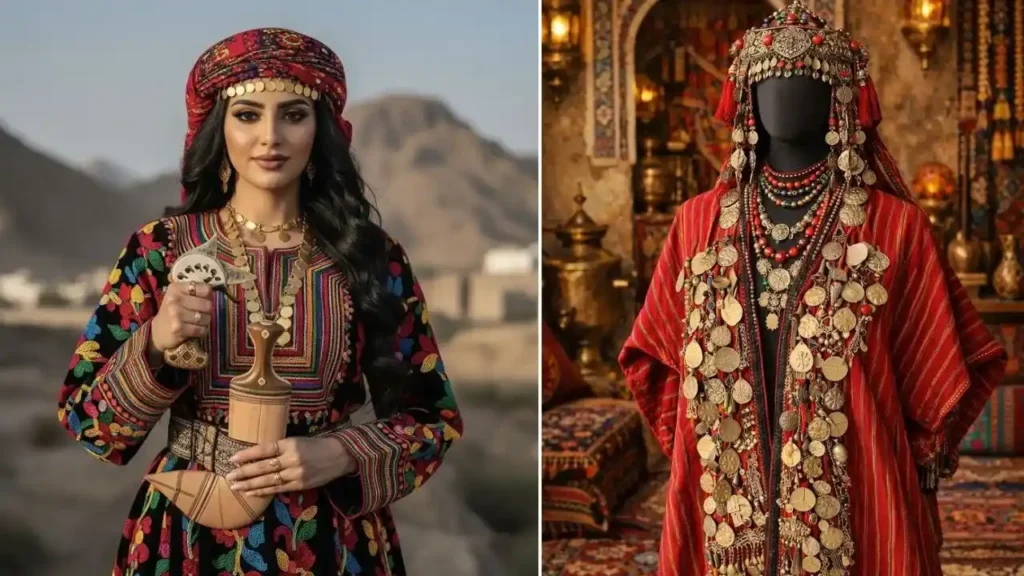
The kaftan’s story stretches across empires. Its earliest forms appeared in ancient Persian courts, where royal garments were designed to signal power and wealth. During the height of the Ottoman Empire, kaftans became ceremonial clothing worn by sultans and nobility. These garments were layered, embroidered, and crafted from rare textiles, making them symbols of political authority.
As trade routes expanded, the kaftan travelled into Morocco, India, and North Africa. Each culture reshaped it. Moroccan kaftans emphasized intricate embroidery and the wedding ceremony. Indian kaftans are made from lighter fabrics suited for warm climates. Across regions, the garment evolved but retained its identity: a flowing silhouette tied to dignity and social symbolism.
The reason kaftans became royal garments was practical and symbolic. The loose cut allowed comfort in hot climates, while rich decoration displayed wealth. Clothing in royal courts was never accidental. Every thread carried meaning.
Types of Kaftans Across Cultures
Kaftans are not one design. They are a family of garments shaped by geography and tradition. Kaftans evolved differently in every culture they touched. Each type reflects climate, lifestyle, and artistic tradition rather than just fashion trends. Understanding these variations helps you see a kaftan not as one garment, but as a global language of dress.
1. Moroccan Kaftan
The Moroccan kaftan is known for its structure, layering, and heavy hand embroidery. It is often worn at weddings and formal celebrations, making it a ceremonial garment rather than casual wear. Rich fabrics like silk and velvet signal status and craftsmanship. This style emphasizes heritage, patience, and artistic detail.
2. Indian Kaftan
Indian kaftans prioritize lightweight fabrics and breathable comfort. Cotton, chiffon, and printed textiles are suitable for warm climates and daily wear. Unlike ceremonial Moroccan styles, Indian kaftans lean toward relaxed elegance. They blend traditional silhouettes with modern fashion sensibility.
3. Ottoman Kaftan
Ottoman kaftans were originally royal garments worn by sultans. They featured elaborate patterns that symbolized rank and political authority. These pieces were not just clothing but visual declarations of power. Today, replicas influence luxury fashion collections.
4. Modern Resort Kaftan
The resort kaftan represents contemporary leisure fashion. Designed for beaches and travel, it favours fluid cuts and soft fabrics. Its purpose is movement and ease rather than ceremony. This version made kaftans popular in global lifestyle fashion.
5. Silk Evening Kaftan
A silk kaftan transforms the garment into formal evening wear. Smooth fabric adds shine and sophistication without sacrificing comfort. It flows dramatically under lighting, creating visual elegance. This type bridges tradition with luxury fashion.
6. Embroidered Heritage Kaftan
This style focuses on the handwork passed through generations. Embroidery often tells cultural stories through symbols and patterns. Wearing one is like carrying textile art. It celebrates craftsmanship over fast fashion.
7. Minimalist Modern Kaftan
Minimalist kaftans strip away heavy decoration for clean silhouettes. Neutral tones and simple tailoring make them versatile everyday garments. They appeal to people who value understated elegance. Comfort becomes the central design principle. The global variety proves one thing: kaftans adapt without losing their soul.
Kaftan for Men — Cultural Identity & Modern Style
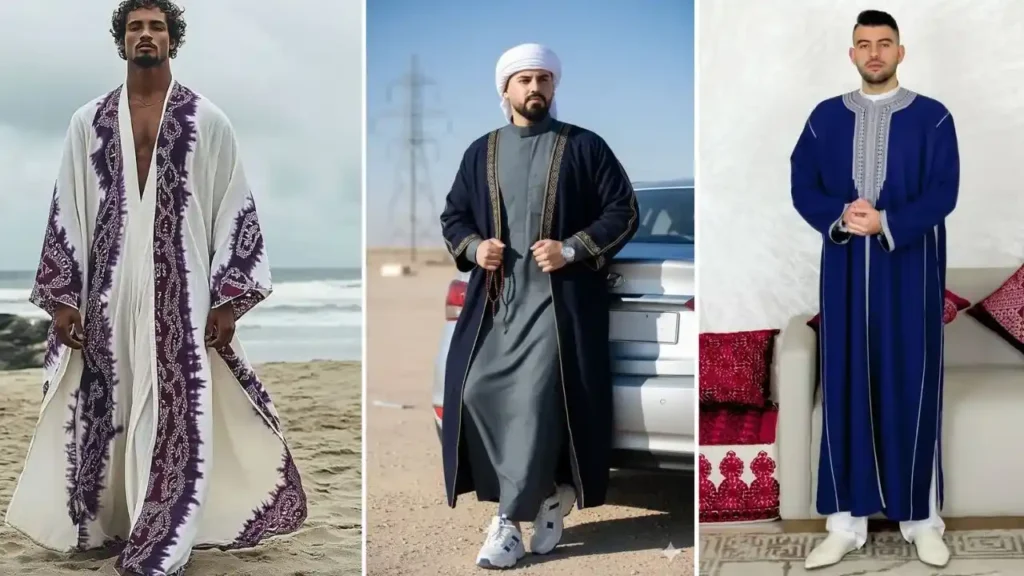
Male kaftans are not a fashion experiment. They are deeply rooted in Arabian menswear and African ceremonial dress traditions. For centuries, men wore kaftans as daily attire, religious garments, and formal clothing. The modern men kaftan outfit continues this legacy while adapting to contemporary tastes.
Today, male kaftan fashion appears in weddings, cultural festivals, and luxury menswear collections. Designers reinterpret traditional cuts with sharper tailoring, modern fabrics, and minimalist colours. The stigma that flowing garments are only feminine comes from modern fashion bias, not history. In reality, kaftans for men represent dignity, identity, and comfort. When styled intentionally, they communicate confidence rather than nostalgia.
Read More about Abaya: Top 5 Abaya Brands in Saudi Arabia
Discover the Best Abaya Company in Dubai for Timeless Elegance & Quality
Modern Women’s Kaftan Styling Guide
Modern kaftan styling is about balancing freedom with intention. The garment already carries movement, so styling should enhance it rather than fight it. When worn thoughtfully, a kaftan becomes less about trends and more about personal presence.
1. Casual Everyday Kaftan Style
A casual kaftan pairs best with simple, breathable accessories. Flat sandals, soft fabrics, and minimal jewellery keep the focus on comfort. The goal is effortless movement rather than polished perfection. This style suits errands, home gatherings, and relaxed city days.
2. Beach & Resort Kaftan Style
Beach kaftans are designed for airflow and lightness. Worn over swimwear, they act as both cover-up and statement piece. Straw hats and natural textures complement the relaxed mood. The look communicates leisure without trying too hard.
3. Belted Structured Kaftan Style
Adding a belt instantly changes the silhouette. It introduces shape while preserving the garment’s flow. This approach blends elegance with definition, making it suitable for dinners or social events. Structure becomes optional, not restrictive.
4. Evening Formal Kaftan Style
An evening kaftan leans into drama and fabric choice. Silk, satin, or embellished textiles catch light and create presence. Heels and refined jewellery elevate the outfit without overcrowding it. The style feels ceremonial yet comfortable.
5. Bohemian Layered Kaftan Style
Bohemian styling embraces texture and layering. Long necklaces, woven bags, and soft sandals create an artistic look. The kaftan becomes part of a relaxed aesthetic narrative. It expresses personality more than an occasion.
6. Minimalist Modern Kaftan Style
Minimalist styling focuses on clean lines and neutral tones. Accessories are intentional and limited. The simplicity highlights fabric quality and tailoring. This style appeals to those who prefer quiet elegance.
7. Travel-Friendly Kaftan Style
A travel kaftan prioritizes practicality without sacrificing appearance. Wrinkle-resistant fabrics and loose cuts make long journeys easier. It transitions easily from airport to evening walk. Comfort becomes the foundation of style.
8. Festive Celebration Kaftan Style
Festive kaftans use embroidery, colour, and statement jewellery. They are designed for weddings, celebrations, and cultural gatherings. The styling celebrates visibility and joy. It honours tradition while allowing personal interpretation.
Kaftan vs Abaya vs Maxi Dress
Kaftan, abaya, aur maxi dress shape mein similar lag sakte hain, lekin unka purpose, cultural context, aur styling logic different hota hai. Neeche wali comparison table aapko instantly clear kar degi ke kis situation mein kaun sa option best rahega.
Kaftan vs Abaya vs Maxi Dress (Comparison Table)
| Factor | Kaftan | Abaya | Maxi Dress |
| What it is | Loose, flowing garment; decorative + cultural fashion piece | Modest outerwear garment focused on coverage | Long-length dress; modern fashion staple |
| Primary purpose (Why) | Comfort + elegance + cultural expression | Modesty + religious/cultural coverage | Style + silhouette + everyday wear |
| Cultural roots (Where it comes from) | Middle East, North Africa, Ottoman/Persian influence | Arabian Peninsula + Islamic modest fashion | Western/Global fashion evolution |
| Typical occasions | Weddings, parties, casual, resort, festive wear | Daily modest wear, formal modest occasions | Casual outings, office, events (depends on fabric) |
| Fit & silhouette | Flowing, relaxed; can be belted | Loose, open-front outer layer | More structured; fitted or A-line |
| Decoration level | Often embroidered, printed, embellished | Usually minimal; can be embellished | Varies widely (plain to heavy) |
| Layering style (How worn) | Often worn as a main outfit | Worn over inner dress/clothes | Worn as standalone dress |
| Modesty level | Moderate to high (depends on cut/neckline) | High (designed for full coverage) | Varies by design (sleeves/neckline/slits) |
| Best for hot weather | Excellent (airy + breathable) | Good (depends on fabric) | Good to moderate (depends on fabric/fit) |
| Style flexibility | High—casual to luxury easily | Medium—modesty-first styling | High—wide variety of looks |
| Key “quick rule” | Choose when you want comfort + elegance | Choose when you need modest outerwear | Choose when you want a standard dress look |
Why Kaftans Are Trending Globally Again
Kaftans are resurging as fashion rediscover comfort. After decades of tight silhouettes and fast trends, the global fashion industry is pivoting toward breathable, body-neutral clothing. Celebrity resort style plays a role. Influencers showcase kaftans as symbols of relaxed luxury.
But the deeper reason is psychological. Modern consumers crave garments that do not fight the body. A trending kaftan design offers ease without sacrificing elegance. It aligns with the broader movement toward slow fashion and mindful consumption. The kaftan feels timeless in a world tired of disposable trends.
Who Should Wear a Kaftan? Comfort & Inclusivity
Kaftans belong to everyone. Their design does not demand a body type, age group, or gender identity. They exist in the modest fashion movement precisely because they respect diversity. Breathable summer clothing that does not restrict movement becomes inclusive by default.
Someone choosing a kaftan is choosing comfort without apology. It works for travel, home life, celebrations, and daily errands. The benefit of kaftan clothing is not just visual elegance. It is emotional relief. The wearer feels at ease. Fashion rarely grants permission to relax. Kaftans do.
Conclusion
The kaftan is more than a garment. It is a meeting point of history, culture, and modern comfort. From royal courts to contemporary wardrobes, it has survived because it respects the body while expressing identity. Few clothes balance elegance and ease so naturally.
Whether worn for tradition, fashion, or daily comfort, a kaftan offers freedom that structured clothing rarely provides. Its global revival proves that timeless design never disappears. It simply waits to be rediscovered by a new generation seeking beauty without restriction.
FAQs
How to wear a kaftan?
Wear a loose kaftan for comfort, or add a belt for shape. Pair it with simple footwear and minimal accessories to let the garment flow naturally.
How to style a kaftan?
Style depends on occasion — sandals for casual wear, heels and jewellery for formal events. Layering or belting can instantly shift the look.
What exactly is a kaftan?
A kaftan is a long, loose, flowing garment rooted in Middle Eastern and North African tradition. It is designed for comfort, elegance, and cultural expression.
Is kaftan only for Muslims?
No, kaftans are cultural garments worn by people of many backgrounds. They are fashion pieces, not restricted to any religion.
Is kaftan Indian wear?
Kaftans are part of Indian fashion, but they are not exclusively Indian. They appear across many cultures, including Persian, Moroccan, and Ottoman traditions.
Are kaftan and abaya the same?
No, a kaftan is decorative and cultural, while an abaya is religious modest wear. They may look similar in shape but serve different purposes.